All of us will someday stand on grief’s shores — feel grief sink into the sand around our toes, loosening the ground we stand on. We may come early in life or later. Our visits may be brief, or we may live in a beach house. The ocean is vast and has plenty of shoreline. Grief is a part of life.
Water is, after all, life-sustaining — our very being. The ocean is simply life in motion.
The waves of the ocean don’t shift on their own. They form when a storm rolls in, when the moon replaces the sun, or when the very earth shifts. Grief can be a powerful force. It’s the sudden filling in of space formerly occupied by hope. It’s dreams breaking against cliffs. It’s love pulled out to sea and sent crashing back again with force.
At first, it’s standing on the beach with your back to the surf, being hit by a wave from behind, and being knocked off your feet.
Early on, small waves wash the sand from beneath your feet and knock you off balance. Big ones can threaten to pull you under.
Concerned friends may tell you to stay away. Grieve less. They worry the waves will pull you under. They shout this advice from a distance — lest they get sand in their shoes.
But they don’t understand that even if you leave the ocean, it never leaves you. The sea is in the clouds in the sky and the rain that falls. Grief, like the ocean, follows you.
You can’t pass through grief without feeling like you can’t learn to swim on dry ground.
If you’re lucky, you may, one day on grief’s shores, cross paths with a leather-skinned, barefoot beach-goer who’ll teach you how to plant your feet and face the waves. With practice, your muscles will get stronger. You’ll gain the strength to walk in the surf without losing your balance.
You’ll get tired. You may fall. The salt will sting your eyes. That’s ok. The same salt that makes you cry is a preservative. It adds flavor. It cleanses.
You’ll learn to read the skies and anticipate the waves. You’ll befriend the ocean, even if you’ll never tame its waves.
Ok. Technically, this is being written several days after day 3,653. That’s because we just got home from a week celebrating in Disneyland. That was Patrick’s pick, but there really isn’t any better place to celebrate magic, dreams, wishes.
This has been a really emotional week… month… fall?..!!
I always get nostalgic in October. This year, even more so, however. That has a lot to do with transplant. We took Patrick’s trip for his annual checkup early because we wanted to celebrate his transplant anniversary over his birthday. It just happened that we were there over the same week he’d taken his wish trip ten years before. Then, just a few weeks ago, my niece had a baby boy who spent 20 days in the NICU, so we have spent a lot of time in and out of that familiar setting again.
There have been a lot of reminders around what was already bound to be a very nostalgic anniversary.
Getting ready for our trip, I stayed up late wrapping Patrick’s birthday presents so he could open then in the morning right before we left. We’ve been so busy with work, school, family, and getting ready that I just ran out of time.
I try not to put off wrapping the presents. The night before Patrick’s transplant, I also stayed up late wrapping his presents because the week had been busy and I hadn’t gotten to it. I’d just wrapped those presents, gotten in bed, and switched out the lights when my phone rang and the caller ID lit up with the number of the transplant hospital. That number at 10 p.m. could only mean one thing… And I didn’t want to take that call on my little boy’s birthday eve.
Still, we packed the presents that could travel and we went.
I was so afraid to take that call. It was so scary to say yes, to pack our bags, to wake our little boy, and to fly all night to turn our little boy over to an uncertain fate.
Family photo taken just before Patrick went for transplant October 2014
One of the hardest things about intestinal transplant was that, with TPN, you aren’t actively getting sicker. You don’t see a child who is getting visibly sicker the longer they are on the transplant list. In fact, Patrick seemed so healthy. He was having one of the best years of his life. He was loving kindergarten.
Health doesn’t decline gradually with short bowel syndrome. The scary moments ambush you. Patrick would be fine, then suddenly, he’d have a fever and we’d be rushing to the hospital to be treated for sepsis. Or he’d catch his line and it would break. Or a clot would form so we couldn’t use it. We could go months in peace, but when things went wrong, we were rushing to the emergency department. Behind the scenes, he was running out of central venous access and the situation was getting worse. We knew one day, he’d run out of veins for the IVs that were feeding him, and that would happen with no warning. It was like living with a ticking time bomb. One that would alarm at random to remind us time was running down.
When he was not quite 5, Patrick ran out of major vessels above his heart where central lines could be placed. It happened suddenly. A doctor wrote the wrong concentration of ethanol lock. A line clotted. A nurse flushed too hard. Patrick went to surgery to have the line replaced and he came back without one. Upon hearing the news, the transplant team made him status 7 on the transplant list — on hold. Without access, he could not have a transplant. Two days later, we flew to Nebraska to have an alternative central line placed by passing a sheathed needle through his femoral vein and through his heart and out through his superior vena cava.
That’s when we knew that without a transplant, Patrick was unlikely to survive many more years.
A year later, just before Patrick’s 6th birthday, he was granted a wish by Make-a-Wish Utah and we took him to Disneyworld and Give Kids the World Village in Orlando. He’d been listed for a year and a half in Nebraska by then – 5.5 years total – with no match. He was on his second alternate line.
A month later, Patrick got THE call. A donor had finally been found.
That was ten years ago.
This picture was taken as we arrived in GKTW village for Patrick’s wish trip. Our villa and rental car are in the background.
We just celebrated Patrick’s sixteenth birthday. I never imagined sixteen. I hadn’t really imagined a ninth birthday.
This life has made us a bit shy about looking too far into the future. On the other hand, we are very good at living in the moment and very grateful for every milestone.
Sixteen and ten years since transplant are big ones.
Most of the published data about transplant stops giving numbers after 10 years. Way back when we first listed Patrick for transplant, the procedure was still extremely new and borderline experimental. It was a little more mainstream 6 years later when we finally found a match and Patrick was transplanted, but the fact of the matter is that the procedure was still both new and rare at that point. That means that there really was no reliable data set for us going into this. Patrick and other transplant around the same time as him are still pioneering — writing the book for others, if you will.
The good news is that the story Patrick is writing is a good one. At his checkup, the GI was on his case ten years ago and knew him well. It’s been at least five years since he’s seen Patrick and he got a bit emotional talking about how much he’s grown and how well he’s doing.
I marvel at the fact that Patrick vaguely recognizes but doesn’t remember having TPN. His memories of hospitalizations, surgeries, and transplant are only distant memories. He has only hints of memories of living in Nebraska or the Ronald McDonald House. Those things are all familiar and sometimes he’ll even be triggered by something, but he doesn’t know why.
For Brian and myself, however, those memories are still very poignant.
In September, we when we were in the hospital for his checkup, Patrick hadn’t eaten much lunch and was hungry, so we stopped into the cafeteria to get him a slice of pizza before the appointment. There are so many memories still in that place. I could see the table I sat at the call Patrick’s wish granter to tell her we needed to cancel his star-raising party because he’d received his transplant. Across the room was the table where we ate Thanksgiving dinner with Brian’s brother’s family, who drove in from Colorado to cook for us.
Just past the cafeteria, there was the door that used to lead to the dingy outdated section of family hotel rooms in the Leed Tower (I don’t think that even exists anymore), where we rented a room for the first week until they had space for us in the Ronald McDonald House. I remember the sagging mattress and the 70’s era carpet and the chip in the sink faucet and the fridge we stocked with sandwich fixings so we could pack a lunch to eat in the ICU break room.
It seems like just yesterday.
On our way out of the building, we showed Patrick the lobby where he met Santa Claus with Toys for Tots at Christmas and therapy pets every Wednesday and — most memorably of all — where he went trick or treating the morning before transplant in a too-small borrowed Buzz Lightyear costume.
What a contrast between that year and this one. Don’t get me wrong. Both years, he was spoiled beyond belief. He may have received almost as many toys, pencils, bubbles, and more from the staff at UNMC in the lobby in 15 minutes as he could get an entire night trick or treating.
Ten years later, Patrick was trick or treating at Disneyland. How amazing is that? He has sacks and sacks of treats and has been eating them since he got home. And that’s OK!!
We celebrated Patrick’s first transplant anniversary at Disneyland, too. I remember it being such a big deal that we laid only about ten pieces of candy and he chose one to eat because he couldn’t handle the sugar.
The aftermath: Trying to choose which candy to try first.
This week, Patrick made Brian run him from one roller coaster to another all week. (And because he’s spoiled, his dad does just that.) I couldn’t help thinking of that visit where we asked if it was safe for Patrick to ride the upside down rollercoaster. How big of a decision that was. How scare I was. And now he rides it over and over again, and it’s us whose bodies can’t take more.
We splurged a bit and treated him to Goofy’s Kitchen this trip. He ate macaroni and cheese and chicken tenders until he was too full for dessert. I should maybe have warned him they were bringing a cupcake, but I didn’t want to ruin the surprise. It was worth it anyway because Minnie Mouse came when they sang to him. She’s his favorite.
When he isn’t chasing roller coasters at the park, Patrick’s’s chasing characters. He loves to see names written and so he loves collecting autographs. I can’t help but contrast the way he made sure every nurse, CNA and doctor who entered his room wrote their name on the whiteboard when he was little. He’s always loved names. I think I prefer chasing autographs in the park, though.
Patrick doesn’t remember his wish trip. He doesn’t remember wishing. One of our regrets in his making that wish was that he was too young to understand it. We were so sure that if he didn’t wish, the opportunity would pass.
So ten years later, we offered him a chance to wish. Actually, first we offered to take him back to Disneyworld and show him where he’d gone for his wish trip. But Patrick didn’t want to relive a wish he didn’t make. He wanted to wish for himself, and his wish was Disneyland.
Yeah, Patrick isn’t looking at the camera. This photo is all about the shirts.
It’s been ten years and he’s looking forward — Living forward.
We have had some good moments this year for looking back. Through the support groups I work with, Patrick’s been starting to connect with other patients with short gut and intestinal transplants this year. He’s nervous about it, but I can tell it’s helpful for him to be a part of that community, too.
I also had a very tender moment at the Oley Conference this summer where I talked with an adult transplant patient. She told me about her relationship with her donor’s family and I had a chance to express to her my deep gratitude for Patrick’s.
There really are no words for that. My heart is all tangled up in the depth of their loss and the magnitude devastation turned to beauty. Every additional year, I marvel more at that gift of life. Patrick’s life and ours are forever changed and we are forever grateful.
What an amazing ten years it has been!
From hospital regular to completely lost in hospital halls. From a backpack full of TPN to pockets full of art supplies. From unable to eat to snacks scattered all around the house. From time is running out to we can’t wait to see what the future holds.
And also – when did I become mom to a sixteen year old?
I don’t post very often because, well, I’m parenting a teenager now. As he has gotten older, his privacy has taken priority. He is entitled to create his own digital identity.
However, you’re going to see a couple of posts from me over the next couple of months. We are coming up on 10 years post-transplant. I don’t think you often get a chance to hear from patients in this phase of the journey.
I’m going to dedicate an entire post to transplant annivery soon.
But today, I wanted to talk a bit specifically about feeding. That’s because one area in which Patrick tends to be an outlier is that he weaned to 100% oral feeding within a year after his transplant.
I want to be real for just a minute about that. Because that is such an unexpectedly good outcome that we paint over a lot of the challenges that come along with it. I am absolutely thrilled that my son can eat an entire cheese pizza by himself like a teenage boy with a growing appetite.
But in celebrating that success, I think we sometimes do a disservice to him and to others with short gut and other digestive disorders by glossing over the very challenge that eating is every day — even if they are able to take all of their nutrition orally.
For Patrick’s entire school career, he has needed accommodations specifically to be not just offered opportunities, but also reminders to eat and drink throughout the school day. He can quite easily go an entire day without remembering that he needs to stop for food or water.
This may sound unusual to you. However, it is really not uncommon in people who have had complex health issues, especially those who have had prolonged digestive disorders and enteral or parenteral nutrition. Occupational therapists have begun to discuss an 9th sense called interoception. (Feel free to Google why there are nine, not five senses). This sense describes your body’s internal cues of hunger, thirst, fullness, hunger, fatigue, temperature, etc. The ability to recognize and interpret these signals is altered by our experiences. It is very common for children with medical complexity to develop oral aversions. Or in other words, to have impaired interoception.
I mean, think about it. For the first 6 years of Patrick’s life, we’d feed him intravenously as much as we could while he slept, and then, in order to give him a break from tubes, he’d go without that nutrition and hydration for several hours during the day. Is it any wonder that he thinks it’s normal to feel hungry and thirsty at school?
There is also an emerging recognition of Avoidant Restrictive Food Intake Disorder, or ARFID, and Pediatric Feeding Disorder PFD. This is a type of sensory processing disorder related eating disorder where neurodivergent people cannot bring themselves to eat certain foods, no matter how hungry they are, because of certain sensory characteristics. People with ARFID &PFD may have very limited diets.
Now, consider that for Patrick’s early years he could not eat sugars, fruits, vegetables, or fibrous textures without severe digestive consequences. Is it any surprise that many children who grow up with SBS show characteristics of ARFID and PFD?
In our house, we have open pantries and stock high calorie preferred foods. And Patrick has been able to eat enough to grow. We have done extensive feeding therapy to expand his diet and I am constantly applying the principles used there to continue to add new foods as old ones fall out of favor.
My son is a foodie. He loves restaurants. He loves treats. He loves trying new foods that meet his very specific preferences.
However, eating has never been easy. There has always been effort to remind him to eat and drink. He only gets the vitamins he needs because we supplement.
One of the things I remember most clearly from Patrick’s transplant evaluation appointments when he was 6 months old was the meeting with the transplant nurse coordinator. In that meeting, she went through everything they thought we should know about life after transplant – from potential complications to what sports he could play. And one of the messages most strongly emphasized was this:
When your child becomes a teenager they will want to become independent. Many teen transplant patients stop complying with their post-transplant care.
Now – we are fortunate. Patrick doesn’t fight against taking his medications. He doesn’t resist seeing his doctors. He doesn’t break safety rules.
He’s fallen into a basic teenage pattern. He is too busy with his social life to want to eat.
I spent his freshman year trying to find ways to incentivize and remind him to eat. But the more I thought about the sum total of what I just outlined above, the less sense it made to keep nagging him to eat.
The phrase we often use to comfort moms trying to accept tube feeding with babies crossed my mind. “Fed is best.” And I started to think, “Why not just ask if he wants to add in tube feeding?”
Of course, there were obstacles. Bolus feeding, where you use a syringe to give an entire carton of formula in just a few minutes, has always made him feel sick. That didn’t seem worth it. Gravity feeding, which we have used for hydration when he is sick, just ties him to a wall for an hour. So I found myself leaning towards a feeding pump . But I wasn’t sure if the doctors would agree to that for as little extra as he needed.
Then, I came across a new product at the Oley Foundation conference – an elastomeric feeding pump system called Mobility +. Kind of a step in-between gravity and pump feeding. There’s no electronic pump, so it’s lightweight and small. It fits inside a crossbody bag. (Fanny pack, for those of us who grew up in the 90’s.) Instead, inside the feeding bag is an elastic pouch that squeezes the formula out at a controlled rate. The tubing comes in different sizes that set the feeding rate. The tubing we use slows Patrick’s feeds down to about an hour, which is just the rate his gut needs to tolerate them.
The bags are pretty easy to use. I use a stopcock valve system to fill the bags in advance. Once that part’s done, we switch to a feeding set that attached to his g-tube extention. The rest is easy enough that Patrick can just come attach the bag, open the clamps, and start the feed himself. The only hiccups we’ve had are sleeping too late to allow time for the feed and occassionally forgetting to open the clamps to start the feed.
Because this is a brand new product, it was just barely approved by the FDA and entering the U.S. market. Patrick is one of the first patients using this feeding system. I wasn’t sure if we’d be able get access to it, but Rockfield Medical has been amazing to work with. We did several zoom calls to figure out the right bags to use and get me trained. They sent me samples to get started while I worked on getting it set up with my enteral supply company.
That took a few calls. At first, the company didn’t understand what the bags were and thought they might be too expensive to be worth the investment. However, Rockfield had already laid the groundwork and the product was available with several larger homecare companies, so my smaller company was willing to follow suit once I got through to the right person and they understood the benefits I was seeing.
It’s been a couple of weeks and it’s already routine.
Please note that this isn’t a sign that Patrick is unhealthy. He eats enough to maintain his weight. But his weight is low and keeping him eating has required constant behavioral support, what they call a “complex feeding program.” There is an emotional and mental health cost that comes with constant pressure to eat .
I have to say that it’s really nice to have the stress taken off of feeding. For example, Patrick got some vaccines this weekend and just hasn’t had an appetite. He took about ten bites of lunch today before abandoning it. In the past, I would have been pulling out timers and offering rewards to try to beg him to eat.
Instead, today, I said, “fine, we’ll put a bolus on.”
One of the first principles of working with an eating disorder is this.. the more anxious the parent is about the child’s eating, the less likely the child is to be willing to eat.
Instead, Patrick is super proud to own the hottest new gadget in tube feeding and can’t wait to set it up and put it on.
When I was younger, I thought grief was a thing you did. A stage. A moment. Something you got through. Got over. Got past.
I didn’t know that grief was more like a tattoo — an ink that stays in your skin for the rest of your life. It may fade with time, stretch as you grow, wrinkle with age. Some call grief a scar, but to me, it has more color than that. I think “tattoo” is more accurate, except that you don’t usually choose the pattern of your grief.
Perhaps, though, the best description I’ve heard of grief was written by Heather Schichtel. She calls grief an “impy, uninvited, grievous house guest.” Her piece titled Grief is found in the book Chicken Soup for the Grieving Soul. I recommend you seek it out and read it. It is insightful.
This is how I see my grief now. As an uninvited guest — tall, smug, bony with slick, oily hair. A little like Rumpelstiltskin in the TV series Once Upon a Time. Or like Dickens’ Ebenezer Scrooge. Greedy. Shrewd. Pompous. And a little overdressed for the occasion.
When you first meet grief, he moves in for a while. He fills up all the space, plays his music too loud, talks over your favorite TV show, sits in your favorite chair, throws loud parties at night, and bangs around early in the morning. He leaves his things everywhere. You can’t escape him or ignore him.
Eventually, he moves out, but he comes to visit. A lot. He carpools to work, calls in the middle of the night, comments all over your social media, and shows up unexpectedly at social events. He especially loves holidays and is by your side in every crisis.
Grief comes and goes. Sometimes sad. Sometimes angry. Sometimes resigned.
He shows up unexpectedly. There’s no rhyme or reason to his visits. I can be a stadium full of screaming fans, my team in the lead and in possession of the ball. A foul. A timeout. Fans on the jumbotron. A group of kids showing off on the screen. I think, “I wish Patrick could play so he had friends like that.” And there is grief next to me, feet up, arm around my seat, cold fingers on my shoulder. “Shh,” I say. “I’m watching the game.” But I pass the popcorn. We both know he’s staying a while.
Grief is made of memory. It glistens on his skin. He loves to reminisce. He brings photo albums and keepsakes. He’s chosen “our song” and will make sure it plays on the radio. Sometimes it is healing to take a moment to pause with him and reflect and remember.
Be careful. It is very, very easy to be seduced by him. If you let him, grief will shutter the windows and lock the doors. He’ll tell you only he can understand. He’s a jealous friend. He wants you all to himself, snuggled up in sadness. Bitterness.
Grief is a hoarder. He piles up lost hopes. Old dreams. Broken promises. He says he does it to protect you. He’ll bury you in them if you let him.
There isn’t laughter in his company. Or newness. Or possibility. If we want those things, we have to step away from him. Open the door. Shove off the debris of loss he wraps around us like a cocoon. We may not be able to push him from our lives forever, but can we tell him to stand back. Make room. You may find you leave his unbidden chrysalis with new wings.
As for me, grief and I are old acquaintances now. I met him as a newlywed, trying to start a family. He went with me to doctor’s visits for myself and later for my son. He heard all the diagnoses and prognoses, treatment options, and painful choices. He sat with me in the waiting room and at the hospital bedside. He went with me to register my son for school and sat with me in IEP meetings. He was there through it all.
At first, we didn’t know each other well. I let him push me around. An encounter with him could take my breath away or reduce me to tears. He’d keep me frozen with fear of what else I might feel in his company. With time, however, our relationship has gotten easier.
Sometimes he shows up while I’m making dinner or cleaning the house. He might catch me running errands, scheduling appointments, or answering e-mails.
“What are you up to?””Oh. You again. Go away. I’m busy.”
“What are you doing?”
“I’ve got to get this done before school pickup. Leave me alone.”
“But I’ve got problems for you. Can we talk a while?”
“No.”
“Life is so unfair.”
“It will have to wait.”
“Well, can we watch Netflix?”
“No.”
“Can we grab a snack?”
“No. I don’t have time. Can you just be quiet?”
And so he just stays, looking over my bookshelves and the dishes in my sink, “hmm-ing” here and there judgmentally to remind me he’s there. As if I could forget.
I’ve gotten to know him in the same way that you know an unusual co-worker or estranged family member. Now, when he comes around, I can say, “Oh, that’s just grief. He’s like that.”
Once you know him, you start to spot him following others. Read him in a text. Hear him in an undertone. You’ll see someone sitting alone, eyes cast down. And there he is, lurking behind them. He’ll wave. You’ll wink, sit down, strike up a conversation with his prey. You’ll share some words, some tears, and finally a smile or a laugh. Grief dislikes company and he hates laughter!
But we need to laugh. We need to keep on living.
We do not need to stop our lives to entertain this selfish guest who doesn’t want to leave the house.
We have to set boundaries. Limits. Rules.
If he chooses to follow us to the movies or on vacation or to the science fair, so be it. He can sit in the corner and wait his turn.
Later, there can be quiet moments for reflection. On our terms. We can face him when we choose. Tears can be healing when they are washing wounds instead of oozing from them. But our lives are meant for more than tears.
We are made for joy.
Grief seems to stop time. Life seems to end. Seems to end, but doesn’t. Seems, to end, but still goes on, whether we choose to go with it or not.
I am still alive. And want to look back on my life and see more than just sadness and waiting.
I want to see dreams. And happiness. Silliness. Friendship. Adventure.
I want to see that I’ve tried, even if I’ve failed. I want to look forward, not just downward and backward. I want fresh, vibrant memories alongside the faded ones.
I may not always be able to escape grief. But I’ve learned to tolerate him.
He may still ruin a party with his bad manners and worn-out stories. He may still sulk around and complain. Sometimes we shed a tear together. Sometimes we pick up a broom and clear out the cobwebs. He’s not all bad.
I’m kinder because I’ve known him. More patient. More empathetic. I do not tiptoe around my old friend, grief.
I ask hard questions– talk about taboo subjects. I know grief is like a vampire who shrinks from the light of caring, so I ask. I share. I lift. I cry. He is easier to face when I’m not alone.
I am more open because I’ve known grief. More genuine. I’m not afraid to be vulnerable. Grief has laid me bare.
We are not strangers, grief and I. But, when I look ahead at my life full of moments… My moments… I don’t want to share them all with this melancholy man in his musty old suit. Grief may want to stay with me. But I do not have to stay with him.
Life holds far too much possibility. Too much beauty to sit in darkness.
There’s a saying in medicine: “When you hear hoofbeats, think horses, not zebras.” In other words, the most common answer is usually the correct one. This is good advice when googling your symptoms as well.
But what do you do when it is a zebra?
The last day of February each year is National Rare Disease Day. (Thus encompassing leap day — a rare date for a rare day.) It’s a day to bring together people with rare diseases.
A disease is considered rare when it affects fewer than 1 in 2,000 people. That can be pretty isolating. It means that you may be the only person anyone’s ever heard of with a condition. It may mean there’s not a doctor in your state or in your town familiar with your disease. It may mean treatments that work for others won’t work for you. (But that doesn’t mean you won’t regularly be offered miracle cures by strangers who know nothing about your disease.)
There are 300 million people worldwide with rare diseases. Alone we are rare. Together we are many.
Patrick is rare. Gastroschisis affects 1 in just under 2,000 babies each year. However, Patrick experienced a complication so rare that I can’t find statistics about it. His bowel died, leaving him with Short Gut Syndrome. Short Gut itself only affects 30 of every million people. Only just about 100 intestine transplants are performed each year. Fewer than that are multivisceral. By the numbers, he’s rare.
Patrick and his Beads of Courage: each bead represents a procedure, test, or milestone
I’ve been feeling his uniqueness in other ways this month. Especially at school.
Patrick attends a very unique school, one designed for children with special needs, particularly those with autism. Although Patrick checks all the boxes for an autism and ADHD diagnosis, his diagnosis is not as simple as that. Patrick’s intellectual, memory, and sensory issues come largely from a brain injury he sustained during a cardiac arrest caused by a central line infection when he was a baby. That means that, while many of the things that help autistics help him, there are differences in the help he needs. Also, although he has anxiety, his anxiety isn’t founded in ordinary fears, but in the complex medical trauma that he experienced as a young child.
There is a reason we don’t domesticate zebras. They are in many ways quite like horses. Zebras eat almost the same things as horses. (Almost, but not exactly.) They behave in many of the same ways. But zebras are not the same as horses. And the differences are more than just the stripes.
Zebras are smaller but are very strong. They are not strong in the same ways that horses are; their bodies are not made for riders or for carrying burdens. They don’t run as fast as horses. They have evolved to survive as prey. They are skittish and easily startled, quick and agile, known for a bite and a strong kick. Zebras can be sassy, stubborn, smart, and sensitive.
Zebra keepers know that they need to spend extra time building trust. These animals don’t trust easily. Handlers need to be consistent and gentle. They make sure to feed their zebra personally so that it sees where the food comes from and develops trust. Patient handlers are rewarded with an extremely faithful bond.
But you won’t get there if you treat your zebra like a horse – or even like its closer cousin the donkey.
And this is where my frustration lies this month. I’ve heard teachers say that January and February are when most of the teaching happens in a school year. I don’t know if that’s the reason, but every year in January and February, it seems, we end up talking to teachers about the same thing. Patrick falls behind in these months. And I find myself explaining that he can’t be asked to do the same things as the other students if he’s only offered the same supports they are. His issues with motor skills, memory, spatial reasoning, attention, vision, and math require more.
So we end up talking about IEP accommodations, whether there is sufficient staffing, whether he is too dependent, what is attention seeking or escape, whether staff understands his needs and accommodations, how to help them understand, whether he should have to ask for accommodation so receive them. And all of that leads to the question of whether or not he belongs in the classes he is in. Every few years, this one included, I get a bonus IEP team meeting out of it.
This year is better than some because I know that his teachers actually care and are genuinely trying to find ways to help. At least this year I’m not having to start by trying to convince them that his needs are real. But there is a reason people don’t ride zebras. And there is a reason we are always talking about where we can make compromises.
Patrick and Brian launching a blast car for his science fair project
Next year, Patrick moves into 9th grade. For him, that means moving into high school. And that has opened a whole new set of issues. Demands will be higher. Classes will be harder. It’s getting more and more painful to keep Patrick in grade-level classes without grade-level skills. Because classes are for credit, there are limits to modifications. And he likely will never have the executive skills and memory to handle it alone. The question is if we can find a way to give him enough help to handle it at all. And if doing so is worth it for what he’d get out of it.
So now we are talking about whether or not he should pursue a diploma. Whether he would benefit from some time in a functional skills class. What he will do after high school and what, if any classes, they offer that can help prepare him. And although I’ve known for a long time that Patrick wouldn’t likely get a traditional diploma, or go to college, or have many job options, my heart is having a hard time catching up with my head.
Patrick is a normal teenager in so many ways. He loves his friends. He’s girl crazy. He listens to his music too loud and wastes hours on YouTube. He’s obsessed with cars and can’t wait to own his own. At school with his handful of friends is the one place where I think he truly feels like he belongs and is accepted as himself. His advisory teacher is a keeper in both senses of the word.
Except that, even with a sense of belonging, Patrick doesn’t understand what’s going on a lot of the time and sometimes sits lost and without help for an entire class period. And the question is whether that’s actual belonging. (For Patrick, maybe?)
So here’s to Rare Disease Day, a day dedicated to belonging, even when you are rare.
They say that zebra’s stripes make it harder for a predator to pick an individual out. When many zebras stand together, their uniqueness combined protects the group.
That’s not actually true. Recent research shows the stripes protect against tsetse flies, who are so confused by the pattern that they abandon their attack and fly away. That’s probably more representative of how things work with rare disease zebras. We confuse everyone so much that they flee.
But I like the image of the herd of zebras standing together. So I’m going to stick with it.
“A child born to another woman calls me mommy. The magnitude of that tragedy and the depth of that privilege are not lost on me.”
Have you seen that meme? It captures my feelings towards birthmothers in general, and Patrick’s birthparents in particularly so perfectly. I feel it to the core of my being.
It also only captures a fraction of the unrepayable debt of gratitude that I owe as a mother.
Another child was lost young in an accident, and that family chose in the face of unimaginable loss to give a piece of the life of their child to mine through organ donation. That is tragedy so vast and privilege so profound I struggle to comprehend it.
The pandemic has pushed this truth to the forefront of our awareness. “Patrick’s a transplant recipient” is a phrase we say so often it sometimes loses meaning. It tells you he has health problems that require extra accommodations. It may even tell you his health is fragile or that he’s been through a lot of trauma.
But in our house, lately, we’ve had a lot of discussion about what transplant actually IS. See, Patrick received his transplant the day he turned 6. He was too young and had far too little language and understanding to know what was happening to him then. But there’s nothing like a pandemic to provide time for questions and answers.
Patrick has some fairly distinct memories of his recovery. The staples itched. The stitches were blue. But many of the memories are fading. (“Mom, what’s an ostomy?”) He’s twelve and a half, more than double his age at transplant. Early childhood memories fade and our minds protect us from trauma. He remembers feelings, but very few details.
This week, he found a memento of transplant: a pillow in the shape of a liver with the hospital logo emblazoned on it that was signed by many of the ICU staff. Patrick loved writing and names, so it was a way he connected and found peace.
I can’t put faces to most of the names anymore. But as we talked, I pointed out how many of them had written their specialty and that could tell us who they were. Nurses helped with pain and meds and dressings and keeping him comfortable. Respiratory therapy would come to make him take deep breaths and refill his lungs, since it hurt too much to breathe, let alone willingly cough. And child life made sure he had toys and volunteer visitors fun activities and the occasional magic moment.
Respiratory therapyUp walking on day 4 post transplant
One of the signatures was from the physical therapist. She’s one of the only faces I clearly remember. I told him how she came every day to help him learn to walk again and how, at first, that was very hard because it was so painful. (I also told him about how much he loved her because she would hide Blues Clues in the halls for him to find.)
That led to talking about his scars.
Patrick had a vertical incision that ran the length of his abdomen that was closed with staples and, as a result, he has a very impressive scar. We talked about what he remembered about how that looked and felt. Then he turned his attention to other scars. He has all kinds: from big to small, from straight to round and some that are curvy. Some are surgical, some from his birth defect, and others from accidental injuries. And he made me help him inspect his entire body and tell him how each one got there. Sadly, there really is a scar and a story for almost every appendage.
“Why” has been a big topic of conversation lately. We’ve had to answer a lot of “Why’s” about the COVID precautions we are taking. And a lot of why’s about other people who are not longer taking them. And in the middle of one of those “why” we still wear masks when others don’t, it occurred to me that Patrick knew “transplant” as part of his identity, but didn’t understand what the word meant.
I’ve been thinking that, since we moved and so much time has passed, many of our friends, colleagues, classmates and fellow congregants don’t know the why and how either. So, since we’re already opening the emotional pandora’s box by explaining these things to Patrick, I thought maybe I’d tell you what I’ve been telling him.
Let me take you on a tour of his scars.
(Just a heads up, Patrick is very private about his scars and doesn’t like to talk about what he’s been through.)
First, there’s the short little horizontal one that runs to the right of his belly button. This one’s from his gastroschisis. Gastroschisis is a birth defect where the abdominal wall doesn’t close and the intestines develop outside of the body. This was the start of his troubles. Patrick had complicated gastroschisis. The intestines twisted and died. He was born with a small hole in his belly. The surgeons did a quick exploratory surgery where they found that his entire small intestine and most of his large intestine were missing. They placed some drain tubes (since his intestine was too short and too narrow to reconnect) and closed the hole surgically. They also placed a PICC (peripherally inserted central venous catheter) to give him nutrition by IV as his digestive system was completely non-functional.
A few weeks later, those drains weren’t working. So they pulled the end of his duodenum to the skin’s surface in an ostomy (which means a hole in your body that accesses an organ) and placed a feeding tube in his belly. (That tube is still there, used for meds, not food.)
After his 2nd surgery, age 17 days
We were granted guardianship and flew him from Michigan to Utah by air ambulance. A short time later, he developed his first central line infection while still in the NICU. He has a scar on the back of his right heel where a busy nurse missed that the IV antibiotic being given there had caused the vein to burst. This caused a nasty IV infiltration wound. He also earned his first broviac line scar. (Broviac lines are also central lines, they run to the heart.. but they go in a tunnel through the chest. Patrick’s chest and neck have several pock-mark looking scars from broviac lines.)
The next 5 years were spent waiting for transplant. Beginning in July of his first year and continuing for the next year, he seemed to have constant sepsis. We’d clear one infection, and two weeks later be back in the E.R. with another. It was terrifying, especially when yeast started to grow inside his body. Yeast is sticky and difficult to kill. The antifungals used to treat it are harsh. Eventually, their toll was too much for his little body and his heart stopped.
This left scars you can’t see in the form of an anoxic brain injury, but also a new little one in his thigh from a femoral arterial line. It also left some emotional scars for all of us. We were fortunate that, because the amazing team at the hospital that day performed such excellent CPR, he was revived and has such minor damage. Still I know what it is to have my child stop breathing in my arms. And I know what it is to have arms ache for a baby that isn’t there. We live with the effects of that day constantly.
In the ICU after cardiac arrest
At 9 months old, Patrick’s first transplant team said they didn’t want him to have an ostomy anymore. So a surgeon here in Utah connected his duodenum (the segment between stomach and small intestine) to his large intestine. That incision was a small vertical one next to his belly button. It left his belly looking like a star and we lovingly called him our star-bellied sneech.
Playing in a hospital crib after reanastamosis
Over the next 5 years, he had lots of lines, another surgery, a couple of liver biopsies, and significant scarring inside his major blood vessels from his chronic need for total parenteral nutrition and the accompany central lines. His veins became so scarred that we though he might lose access to IV nutrition and starve, but the interventional radiology team in Nebraska managed to restore access through a very risky procedure than passed a needle tipped catheter up his femoral vein, through his heart and out his jugular.
He had IV pumps in a backpack that he took with him everywhere he went that provided him with nutrition in the form of TPN and lipids. Not having an intestine meant a chronic diarrhea and vomiting, too, so we had one more pump for IV hydration fluids, and the occasional extra pump running broad spectrum IV antibiotics. We carried a diaper bag full of saline and heparin syringes and emergency kits, along with an epi pen (he had several serious food allergies) everywhere we went. We were pros at swapping out broken IV tubing, performing sterile dressing changes, and clearing air in line issues in the dark without waking the child the tubing was attached to. I knew every creaky spot in the floor and could dance through the room without a sound, kind of like a master criminal weaving through security system lasers.
First day of Kingergarten, with his TPN pumps in the backpack
We kept our GI and the emergency room on speed dial. We knew every member of the resident class at Primary Children’s spanning several years. (They made a point to come visit us when they knew we were there.) And I spent more time talking to our infusion pharmacist and insurance case manager than most of my friends.
Meanwhile, Patrick grew up, went on many adventures, attended preschool, started kindergarten, and was granted a wish.
Patrick’s wish was to visit Give Kids the World Village and Disney World in Orlando
At last, Patrick received his transplant. He not only needed an intestine, but also a liver due to damage from the IV nutrition, and since the vasculature is all one package, that came with a new pancreas, too. Remembering how HUGE an intestine is, it might make more sense to know that they also removed his spleen to make space along withhis gall bladder because that way they don’t have to worry about gall stones later. They also did a gastric bypass to help food move into the new anatomy of the gut.
As I explained to Patrick this week, they pretty much just took everything out so it was empty inside, and then put in the new organs and sewed all the parts back together. And that is a LOT of parts when you consider all the blood vessels, nerve endings and splicing back together his lymphatic system.
A couple of hours after transplant
Transplant left the biggest scars: the long one down his tummy with the frankenstein-like staple marks and the one the size of a silver dollar where he had an ostomy for biopsy purposes.
That brings me back to the “why” questions. Because transplant and the journey to get there are why we do most of what we do.
So here’s a question we get a lot.Why are transplant patients more at risk that other people? Doesn’t a transplant cure them?
This answer was one they drilled into us. When you’re being considered for transplant, they sit down with your family and they go over all the risks and precautions that you’ll be living with after the procedure. You also commit to a lot of things to protect the graft like avoiding contact sports, not swimming in rivers and lakes, and being careful about diet.
And then of course, there are the meds. To keep the body from identifying the transplanted organs as a threat, transplant patients must take immune suppressants. Twice a day, every day. For the rest of your life. These have to stay at a constant level in the body.
At first, immune suppressants have to be at a pretty high dose. Eventually, as the body gets used to the new organs, that dose can be reduced. However, since Patrick received 3 organs (including the second largest organ in the human body) his minimum dose is still high compared to, for example, a kidney transplant patient.
Still, with a lower dose, Patrick has been able to live a pretty normal life. He could attend school, except when there was an outbreak of illness in the classroom. (His IEP provides for home learning under these conditions.) He could go to church and play adaptive sports and ride roller coasters. Granted, he and I spend pretty much from November to February sick every year because he catches everything he’s exposed to. Transplant patients get sicker and stay sicker longer, but eventually, he gets over most bugs.
A COVID-style road trip to Mr. Rushmore
But COVID… it’s a different type of virus. It sends the body’s immune system into hyperdrive. That’s what makes it so deadly. Can you imagine the effect of that in a transplant patient?
I wondered if perhaps it was my imagination inflating the risks at first. However, a few months back as they were just about to approve the pediatric Pfizer vaccine, I had the opportunity to join a webinar where researchers shared their current data about COVID, the COVID vaccines, and transplant patients. And some of their numbers were rather concerning.
First, they found that although the general population has a better than 99% chance of surviving the virus, among transplant patients, the death rate is 10%. Those odds are scary.
Even more concerningly, Johns Hopkins, in the absence of data from preliminary studies into vaccines, did a study where they measured the antibody response of transplant patients. As the researcher said in his presentation, they discovered that “we have a problem.” Only around 40% of transplant patients had any detectable antibodies following a first dose of any of the vaccines. After the second dose, only 56% did. They also found that there was a high rate of patients who resumed normal activities after they were “fully vaccinated” who went on to contract the virus.
You know when they say that most people who are vaccinated don’t catch the virus, don’t pass it on to others, and certainly don’t need hospitalization or die? Well, guess who that small percentage who do are? Yup, the people with compromised immune systems.
So EVERY communication I have with Patrick’s transplant team or GI doctor ends with a reminder. “Act like he’s not vaccinated.” “Keep following precautions.” “There’s still risk.” Just this week, Patrick’s GI ended an e-mail about lab results with “don’t let down your guard.”
6th grade was all online, supervised by Max
The thing is, everyone is ready to be done with the pandemic. WE are ready to be done with the pandemic. In fact, the more our community lets down their guard, the harder it becomes for us.
But cases are rising across the world, across the country, and definitely in the state where we live. Vaccination rates are low here and children, though not at risk of severe disease, are still carriers. Add to it that the Delta (now Delta+) variant is more contagious and more deadly. Despite our best wishes, statistics show that the virus is no longer in decline where we live.
Our alternate field trip to the bird rescue with an awesome duckling named Vinnie
We made a commitment years ago. We made it when we adopted him, again when we listed him for transplant, and again when we accepted the offered organs. We promised that we would follow the medicine, keep the protocols, and make the sacrifices to keep him alive.
Patrick’s life is a miracle. Many times over. And that miracle has been contributed to by so many people. His birth family, the NICU teams, his nurses, and pharmacists, the surgeons and infectious disease doctors and interventional radiologists and IV team who responded to emergency after emergency. The nurse who performed CPR and the code team who helped to revive him. The therapists who taught him to walk and talk and write. The family and friends and strangers who helped raise money for his transplant expenses. And most of all, the family who trusted their memory of their child to the future of mine.
In coming to understand transplant, Patrick’s come to know that he has an organ donor. The other night, he was asking me about “the other kid.” Health privacy means we don’t know a lot. But often, when I’m tempted to take some risk, Patrick’s donor and his family cross my mind. I can’t bring myself to take chances with such a sacred gift. Especially when there are so many waiting for donors who will not live to be matched.
We live with a miracle every day. But faith without works, as James wrote, is dead. So we are doing our best to do our part and be patient until we get the all clear from the miracle workers we’ve grown to trust to keep Patrick safe. Some of them are like family, so when they say wait, we listen.
Masking up for physical therapy at Shriner’s
We are hopefully trusting in the promise of vaccines. I was able to enroll Patrick in that same Johns Hopkins vaccine antibody study for kids and we’re watching to see signs of his body reponding to the shot. (With caution, as every doctor emphasizes to us that antibodies do not mean he can’t get sick.)
We are cautiously beginning to dip our toes in. We are visiting with fully vaccinated (and still reasonably cautious) family. I’ve invested in KN95 masks that fit Patrick and am letting him go to in-person physical therapy and occasional uncrowded places in off-peak hours, like the library.
We really want to begin to allow loved ones back into our world and are anxiously waiting for approval of vaccines for younger children.
We want to see you again. Right now, we’re limited contact to vaccinated people. So help us out. Get the shot. Wear your mask indoors and in crowds and around us. Avoid risky behaviors.
Be especially careful with your children. Not only can they spread COVID, but there’s an out of season cold and flu season happening as we come out of quarantine and their risk of catching another illness is higher right now. Please stay home if you have any signs of illness! (Even when we were really counting on you.)
This is an awkward time right now. For everyone. But especially for us. With the political climate and the need for extra caution, we sometimes have to turn down invitations or even walk away when risk is too high. If one of these awkward moments happens with you, please know that we don’t mean to cause offense. We’re not trying to make you feel guilty or sway your choices. (Though we really want you to be safe.) It’s just, with all other precautions taken away, we are needing to be a lot more careful.
We appreciate your patience, your love, your caution, your efforts to keep us included and show us we are remembered. We are eager to be with you again. And we are THRILLED that vaccination has brought some of your back into our lives in person. Patrick’s very best days are when we can say “So-and-so has had their shot. Let’s go do something together!” Hoping for much, much more of that soon.
I just spent the morning cutting the blooms off of the flowers in my garden. It always looks like a bit of a tragedy. But today it is raining and next week our state will be facing record heat again as a record heat wave and drought covers the western US. If my plants are going to survive, they need to be spending their energy on developing roots and leaves, not flowers.
It’s taken me time to learn this lesson. When I was a little girl, my parents bought trees for our park strip. They gave one to each child. And, man, I love that tree! I tended it every day. I’d even sit under it and read to it because I’d heard that plants grew better when you talked to it. And then one day, my parents pruned it! I was devastated! I cried all evening. I thought I’d never forgive them for making my beautiful tree look so weak and spindly.
Gardener’s know, though, sometimes for plants to grow, they need cutting. (Especially petunias. If you’ve ever known someone with marvelously bushy petunias, you can bet that that gardener regularly trims their plants. Where you cut one stem, two will grow.)
One of the reasons I garden is that while I work, I get glimpses into the methods of the Master Gardener.
As I look at my life, I can see the pruning moments. Times when I couldn’t understand why I was being trimmed back. Times when it seemed so unfair that my one beautiful little blossom that I’d worked so hard to grow would be cut off. I see now things I couldn’t see then about how I was being helped to grow into something grander than would have been possible without the pruning.
Infertility, for example. I thought I had been thoroughly abandoned by the Lord. How was it that everyone else could so easily make a baby and I couldn’t? Was it because the Lord didn’t trust me? Or that I was somehow lacking? Or was it just that He didn’t care? How could my prayers go unanswered. All I wanted was something beautiful.
But had I not had the experiences of infertility, I would never have been prepared for the more beautiful gift of motherhood I’ve been given. Had I not learned to face my anxiety over doctors, could I really have been up for a life in a hospital? Had I not learned to trust in the Lord’s timing, would we have been able to wait six years for the right transplant donor? And had I not learned to that prayers are often answered in ways we didn’t ask, could I have ever made it through the nights that were carried only by prayer?
A Facebook memory this morning reminded me of the struggle it was to take Patrick on his first vacation. He’d been through infection after infection and in the week prior to our scheduled Yellowstone trip had broken his central line twice, requiring ER visits for repair. A prudent nurse knew about our scheduled vacation and pulled strings to send an emergency repair kit with me and train me on how to do the repair during our second ER visit. Thank goodness she did, because just as we crossed the border into Idaho, the line broke again. We ended up at Eastern Idaho Regional Hospital where they could not find anyone qualified to repair the line. In the end, they gave me a nurse, a room, and sterile supplies and I repaired that line myself before we continued on our way to Yellowstone.
Things haven’t come easy for us, and early pruning gave me strength, flexibility and a healthy dose of righteous submission.
COVID has been another period of pruning. Not just for myself, but for the world. So many of those beautiful traditions and even basic comforts were cut and cast aside. We were left with pretty much just our roots. Home, family, faith.
I’ve been alternately inspired and heartbroken watching the world respond to pruning, having experienced so much myself.
Some have really grown stronger in this time. Staying at home gave us time not just to improve our baking and gardening skills, but also to deepen our roots by spending time as families, developing habits of individual worship, tending to the needs of others, and improving talents and characters.
Others have stayed focused on what they weren’t willing to miss, putting proms and parties as first priority, fretting about what they or their children might be missing. Resisting cutting and seeming to try to glue blossoms back onto flowers
I’ve done this at moments in my life, too. It isn’t easy to let go of dreams, traditions, and those milestone moments. I get it! One of the most difficult things about being a parent to a child with special needs is mourning so many lost milestones. We’ve missed or experienced significant delays in first words, first steps, first friendships, attending kindergarten, primary programs, parades, sleepovers, scout camps. We celebrated most holidays in his first year or two of his life in the hospital. The pioneer day fireworks are beautiful, but not the same, from the patio of Primary Children’s Hospital. And every missed milestone has come with tears. It’s ok to grieve unattained wishes. Some are harder to let go than others. (Missing baptism and priesthood ordination, even though I know that Christ’s atonement covers those who are not accountable and promises them salvation, took me a long, long time to accept and I still am caught by unexpected feelings of loss from time to time.)
But the reason I’m posting is that I worry, as the world reopens, that we’ll rush a return to normal so quick that we’ll lose the gifts we’ve gained over this past year.
In my herb garden, I have to take extra care in favorable weather. Once the cool of spring passes and the warms and sunshine of summer arrives cilantro, basil, and other herbs have a tendency to bolt. The very weather that helps them thrive can cause the overeager plants to grow too quickly, rushing to produce flowers. The problem is, once an herb has bolted, it isn’t much good as an herb anymore. There is no choice but to let it go to seed and start again with a new plant.
The solution? Pruning. During the summer months, herbs need to be regularly cut back so that they don’t blossom. The result is healthy, bushy plants with deep roots, strong leaf systems (and since the flavor is in the leaves, better flavor and harvests for the gardeners.)
I see the world hurrying to make up for what was missed and to put aside (a bit prematurely, perhaps) the precautions and lessons of the last year and a half.
As life reopens, I’m trying not to bolt. Patrick’s 2 weeks post vaccination with some hints that he might be protected by it. It’s too early to say, but we have enough confidence that we’re beginning to spend time with vaccinated family and friends. But I’m trying not to hurry. Not just for the protection that being slow and cautious offers, but because I don’t want to lose the blessings we’ve gained by having all the excess trimmed out of my life.
This isn’t easy. I am SO tired of being at home and so frustrated watching as the world reopens to others how it is closing to us.
I worry that if I don’t keep up with regular pruning, that the master gardener might have some more dramatic cutting back to do.
One other thought.. My pruning this morning included giving a very dramatic “haircut” to a very healthy lily. This lily has enjoyed a privileged place next to a sprinkler. It is thriving there, but unfortunately, it has grown so large that it is blocking the water and preventing it from reaching other plants. Sometimes we’re cut back and it seems unfair because it has nothing to do with our own needs. Sometimes, we need to be cut back to allow room for others to grow.
Anyway – those were my thoughts as I was gardening in the rain this morning.
I began writing this post last March. And then a pandemic happened and circumstances changed and I abandoned it. But I think the discussion is just as relevant now, if not more so. So I’m going to attempt to dust it off and finish writing it. Here’s how I began…
There is a fairly well-known image that is used in discussions about equality. The picture shows 3 children of different heights trying to watch a baseball game over a fence. In the first frame, each child has a crate to stand on, but only the two tallest children can see over the fence. This frame is labelled “Equality.” In the second frame, the tallest child has given his crate to the shortest child. Now all the children can see. The image is labeled “Equity.”
Over the years the image has circulated, the quality of the graphics, the labels on the message, the symbols have been debated, and the interpretations have been varied. Below is a common one used in education and discussions. The 3rd frame is often labeled “inclusion” and represents the systemic barriers being removed.
It seems that I have been having a LOT of conversations lately about how to include Patrick. Since the start of the (2019-2020) year, we’ve had a lot of new transitions. And that means we’re trying to figure out how to fit into a lot of new settings.
The biggest one has been over the subject of P.E.
Here’s what happened. One of my best friends at Patrick’s school was also working part-time as the elementary school P.E. paraprofessional. (a.k.a non-credentialed teacher.)
One day, she called me up FUMING about what was going on at the school. Apparently, they were having trouble with some students choosing not to participate during P.E. and other “specials” classes. The principal had told the teachers that they needed to give a grade for the class, and since it was a pass/fail class, they were looking at giving failing grades to students who refused to participate.
Enter Patrick. Patrick has a combination of disabilities that prevent him from participating fully in a regular P.E. class. He has cerebral palsy that makes it difficult to control the muscles, particularly those in his legs, especially when running. He has visual tracking problems from his brain injury that make it very difficult for him to follow a ball. He has trouble with motor planning, meaning the ability to think through the steps of a motor process that, for others, wouldn’t be consciously broken down. He has serious ADHD that make it hard for him to focus in a chaotic environment. He has working memory impairments, or in other words, problems with his short term memory that mean he can suddenly forget what he is supposed to be doing. And, to top it off, his transplant puts him at exceptional risk of injury from a fall or a blow to the abdomen and he is required to be excluded from contact sports. (Dodgeball, anyone?)
Patrick’s IEP provides for “adaptive P.E. services,” meaning that instead of being required to pass a regular P.E. class, he gets to work with a special P.E. teacher who adapts P.E. to his abilities and works on specific goals.
The problem is this.. Patrick is in a mainstream classroom. And the schedule of that classroom includes the class going to P.E. while the teacher used that time as prep time in the class. And, even though I knew he couldn’t really play, I didn’t see much harm in allowing him to go to P.E. because that’s what his classmates were doing.
But apparently, what was happening was that Patrick, unable to do what the rest of his class was doing, would try to visit with the adults. His para would tell him he needed to go play, and because he couldn’t, he wouldn’t. He’d just sit on the side and patiently watch.
So, when they started talking about who should receive a failing grade for not participating, Patrick’s name made the list.
My friend was furious because she knew this was wrong. Let’s be honest. No one would have been talking about failing a kid in a wheelchair for not doing P.E. We’d had multiple conversations about what he should and should not be doing as she’d made her lesson plans. So she went to an administrator, who pulled the IEP, marched it into the principal’s office, and demanded that he intervene.
Patrick didn’t fail P.E. But it made some of the staff who work with him angry about how “unfair” that was to the other students who saw him not playing.
But it made me aware that I had not done enough in setting clear expectations for P.E. with the school. Enter advocate mom. I called for a special IEP meeting to get clear adaptations written.
Now, Patrick attends an exceptional school. So when I went into the meeting saying that I needed them to make a plan specifically to allow Patrick to be excluded from the P.E. requirement, they insisted instead that they needed to write a plan for him to be included instead.
Plan A. that they wrote didn’t work. Plan A was to require the paras to lead alternative activity for the students (yes, multiple) who could not do the regular P.E. activity and were sitting out. The argued that they kids who were choosing not to participate would choose the easier activity instead. (In hindsight, I disagree with this opinion. Why not allow mainstream students to sometimes do adapted activities? That’s inclusive, right?)
On to Plan B. My friend, because she knew us personally and cared enough to see the individual, started go over her lesson plans with me at our weekly breakfasts. We’d decide what Patrick could do that was related to her plan. Sometimes, that was giving him a special role in a game. (Basket holder, line judge, etc.) Other times that was giving him a simplified version of the activity. (While the other kids shoot hoops, Patrick will practice passing with the help of an adult.) I dropped in on class unannounced and helped to model what this would be like for the staff that was there.
Plan B is what worked.
And it got me thinking a lot more about inclusion.
In children’s Sunday School, we run through scenarios regularly about how to Choose the Right. And a common example is “There’s a new kid” or “There’s a kid others don’t like” or “There’s a kid who isn’t good at a game” … anyway.. there’s a kid, and the other kids don’t want to let them play or let them eat lunch with them or whatever. What do you do?
The answer is, you let them play anyway. Right?
But is it inclusion if it stops there? Is it enough to “let them” attend? Was it enough that Patrick was sitting in P.E. on the stage alone? He didn’t mind. He didn’t want to play. If you asked him to get up and do what the other kids were doing, he’d give a polite “nah.” He was fine, right? He was welcome.
But is that inclusion?
Look again at the picture at the top of the page. The short kid is invited to watch the baseball game. He’s even given a box. It’s totally fair.
Or is it? Is it more fair to give him the box the tall kid is standing on? That way at least he can see. But the tall kid doesn’t get a box that way. Isn’t it more fair for every kid to get a box?
The thing is, adaptation isn’t fair. But it’s at least a start.
One of the things I love about distance learning is that I’m in charge of the school day, so Patrick actually gets all of his accommodations. We use a Kindle with OpenDyslexic font for reading. He can use special manipulatives or a calculator or Google Home to help with math. And he’s getting very good at using Google Read and Write and other adaptive technology.
Adaptations level the playing field so that physical limitations don’t get in the way of him reaching his potential. In P.E., adaptations were changes to game rules, simplified activities, or special equipment. Patrick’s school spends a lot of time teaching him to advocate for his accommodations. One way we as a society can be more inclusive would be to not push back against allowing these when they are justified.
But inclusion CAN be more than that. Because true inclusion sometimes means being willing to change the rules for everyone.
Think, for example, of food allergies. If someone has a life-threatening food allergy, adaptation would say that you allow that person to bring their own food to lunch, instead of eating what everyone else is eating. But if others at the table are eating the allergen, inviting and allowing differences is still not enough. Allergens can be spread by touch, and so we have nut-free classrooms and even nut-free schools. That’s the only way, literally, than a child can safely come to the table.
If done right, inclusion benefits more than just the person with the most apparent need. But it takes some creativity.
Here’s an example. I taught a Sunday school class for 3 year olds. We had one student who every week hid under the table. We had another student who always wanted to remove her shoes. Yes, we could have said that the rules required that everyone sit on their chairs and wear their shoes. And everyone would have learned the rules. But a couple would have spent so much energy on that lesson that there’d have been no time to talk about Christ. So what did we do? We put away the chairs and we sat on the floor. Everyone was allowed to have their shoes off if they wanted. And kids under the table could see the pictures. The only rule was that they had to allow other kids to have a turn under the table, too. Because ALL 3 year olds are sensory creatures and the adaptation that one needed benefited them all.
But inclusion also means being willing to let go of traditional ways of doing things sometimes. And I think that’s the hardest part.
Sometimes, when I get to speak to a group of Patrick’s peers about inclusion, I read them the book “Can I play too?” by “Mo Willems.” Here’s a read along if you don’t know the story:
I like this story because it really captures in a lot of ways what it’s like to try to play when you have a disability or other difference. 1) We don’t always know how to make it work when we start trying to play. 2) A lot of times, what we try fails. 3) After enough failures, the person with the difference will decide they are causing too much trouble and withdraw. 4) Some of the best solutions are the ones people might never have considered.
This is why I love adaptive sports. Because they remove the primary obstacle to inclusion: winning. They also toss out several rules. I remember attending one adaptive baseball game where a player wanted a hit. So they threw him 27 pitches. 27 misses, and then he knocked it out of the park!! And the crowd went wild as he ran his home run.
This is the picture where the wooden fence has been replaced by a chain link. Where there isn’t an obstacle that gives some an advantage over others. This is what people are referring to when they talk about systemic problems.
For Patrick, being graded on participation a typical P.E. class was a systemic problem.
2020 made us acutely aware of so many other systemic problems. The inequalities revealed in our healthcare system, in our justice system, and so many more all came to the surface in violent and devastating ways. And I think a lot of us feel absolutely helpless in the face of systems that we don’t have any idea how to change.
Because, let’s be honest. Inclusion isn’t always possible. Not all sports can be adaptive. Not all diets can be nut-free. You can’t just say you want a system with more social programs when those programs don’t yet exist. We need to be challenged by school or sports to grow, and that means pushing people to their limits.
You also can’t force inclusion. Another thing that 2020 has shown us is that mandates are met with opposition. That opposition comes because broad mandates create new systemic problems that make people feel overlooked.
The thing is that MOST of us really are trying our best. Most of us do care about doing what is right. And what most of us crave most deeply is to feel seen and valued. Especially for our best efforts, even when they are inadequate.
Columnist David Brooks put it this way:
“Many of our society’s great problems flow from people not feeling seen and known.”
David Brooks, “Finding the Road to Character,” October 2019
He went on to say that a trait we all have to get better at is “the trait of seeing each other deeply and being deeply seen.”
Inclusion doesn’t happen by pulling one group out of the shadows and pushing another into it. This is one of the great risks of today’s cancel culture.
It may be an unpopular idea, but I’m not sure that systems CAN be fixed from the top down. Instead, I think that if we want to see our society change in a significant way, it’s going to need to be something that happens on a much more intimate level.
Here’s another great quote:
I believe the change we seek in ourselves and in he groups we belong to will come less by activism and more by actively trying every day to understand one another.
Sharon Eubank, “By Union of Feeling We Obtain Power with God”, October 2020
To be honest, when large-scale changes have been made to try to include Patrick, the result has almost always been awkwardness that made us ALL pull back. Plan A where they ran a whole separate P.E. section for him would have made everyone feel uncomfortable.
But Plan B worked precisely because it was personal, thoughtful, and simple.
We simply need to start seeing each other.
I think we also need to extend each other more grace. If mortality is a school, then we are all going to make mistakes as we learn. We will all sometimes be on the giving side of some hurts. We would benefit from being as quick to grant forgiveness as we are eager to receive it.
On Valentine’s Day this year, I knew that traditional Valentine’s parties were going to leave out every student who was learning from home. As PTO president, I had some power to try to make things better. So, in addition to providing usual support for valentine’s parties, I spent several hours creating virtual valentine’s exchanges, online games and other activities that could be played with the students both in class and those connecting digitally from home.
Patrick’s sweet teacher went out of her way to buy craft supplies so that the class could make each other valentines. And she instructed the class to remember the kids at home and make them for them, too.
But that left home learners entirely on the outside. they were remembered, but not included. And, I’ll admit, after all my effort, I was hurt to still be literally on the outside looking in.
Some attempts at inclusion are a BIG miss.
But that doesn’t change the fact that he has a teacher who very truly cares about him. Who stays late sometimes just to visit with him after the other students have gone. Carrying that hurt would only hurt me. The slight wasn’t intentional.
Where am I going with all this? I’m not sure I exactly know.
I do hope, though, that if I make our experience seen that it will help as we all try to do better at seeing each other. We have too much anonymity in our society. It’s easy to get caught up in “us” and “them” when you speak generally.
But the more you get to know people as individuals, the more natural it is to try to love and take care of each other. What is that quote? “people are hard to hate close up. Move in.”
In other words, we do start with that sunday school answer. We notice the people sitting on the sidelines and we invite them. But it goes a bit deeper than just inviting. We get to know them.
And then we consider each other’s needs. And we make ourselves open to different ways of doing things. We try. If we fail, we forgive and we try again.
There’s a problem with the messaging being published right now about vaccines. Every day I see a new headline with the title “I’m Vaccinated, Now What Can I Do?” or “Can You Hug Your Grandkids After Getting a COVID Vaccine?” “COVID-19 Vaccine Doesn’t Mean You Can Party Like Its 1999.”
They all carry the same message. Getting a vaccine doesn’t mean you can let you guard down. Nothing is 100%.
The problem is, it’s way underselling the effectiveness off the vaccine.
I saw a viral Facebook post yesterday that, basically, said that if vaccinated people still have to wear masks, still have to distance, can’t hug their grandparents, etc. then vaccines don’t work and they aren’t worth the risk.
THIS MESSAGE IS WRONG.
So how did we get here?
Well, to start, science knows its limitations. Research studies, especially medical research studies, publish a summary not just of the successes, but of the failures. Therefore, there is no 100%.
Then, there’s the problem of medical malpractice and informed consent. If you’ve spent any time in the medical world, you’ve probably observed that doctors tell you every risk, every worst case outcome. It’s part of their job that you know exactly what might go wrong. No one wants a devastating, unforeseen outcome. Especially since, when one happens, malpractice suits often follow.
Doctors are trained not to promise outcomes that cannot be guaranteed. This is why our introduction to Patrick was “life expectancy of 1-2 years.” Before his adoption, the GI who was treating him sat me down and spelled out in great detail how very difficult his life would be. For an hour. Most NICU parents can recount a similar experience where they were told about poor quality of life and low risk of survival and were left convinced there was no hope. This is why the term “defy the odds” is used so commonly in our circles.
The problem with this approach is that it often misrepresents the odds. Skews them towards the negative. Even when prognosis is good.
I’ll be honest, years of being told “the odds” related to Patrick’s transplant had me so terrified that I considered turning down the offer when it came. I cried the entire flight from Utah to Nebraska. Did he defy the odds? Or are the possible wonderful outcomes the exact reason why we take medical risks?
The truth is that, in most cases, the odds being emphasized about are the long odds. The long shots. The off chances.
So if you’ll humor me, I’d like to share some of the answers I wish were being emphasized in response to the questions in the headlines. I’ll follow by explaining what this information means for our family and vaccines.
The questions here come from the social media post my friend shared yesterday.
“If I get vaccinated can I stop wearing a mask(s)?” At first, no. This partly because we do not know much about the risks of spreading the disease and because of variants. But I suspect there’s a behavioral motive, too. Early experience taught us that some health rules are better universally adopted. It’s easier to encourage everyone to wear masks than to try to split hairs about who should wear them and who shouldn’t. Mask mandates will lift when case counts decrease to safe levels.
A personal aside: Given that mask-wearing, distancing and quarantining when sick have essentially eliminated the influenza that has been a public health crisis for years, I hope we never fully abandon mask wearing.
“If I get vaccinated will the restaurants, bars, schools, fitness clubs, hair salons, etc. reopen and will people be able to get back to work like normal?” Accomplishing this goal will require many people to be vaccinated. In order to resume normal business, we’ll need to reach a certain level of herd immunity. That’s defined as somewhere between 60-90%1 of the population having immunity. We can accomplish this the slow destructive way, by just letting the virus run until 60-90% of the population has caught the virus, keeping precautions in place so our hospital system doesn’t collapse. Or we can do it the faster, safer way, with vaccines. Experts hope that herd immunity will be acheived by summer or at least fall, when most people have had the chance to receive the vaccine. A lot of that depends on our choices. Herd immunity is the point at which business will return to normal, or something like it. 1. https://www.nytimes.com/interactive/2021/02/20/us/us-herd-immunity-covid.html
“If I get vaccinated, at least I won’t be contagious to others – right?” We hope so. However, there are some vaccines, such as the one for polio, that still allow carrier transmission of the virus. And no studies have been done to see if the vaccine provides mucosal (as in in the mucus of your nose) immunity. That would require swabbing a whole bunch of vaccinated people and no one has done that yet. We are still early enough in this disease to be working in hypotheticals. And it’s better to err on the side of caution. So, they recommend that you assume you may still be able to be a silent carrier of the disease.
That said, studies have shown the AstraZeneca vaccine does reduce contagion.5 The Pfizer vaccine showed significant protection from spread in animal trials.6 In general, vaccinated people, even when infected, carry less of a virus than an unvaccinated ill person.6 Reducing the number of infected people is likely to reduce spread. So while we don’t know and caution is still warranted, there are early signs that vaccines reduce spread.
“If I get vaccinated, how long will the vaccine last?” This question is tricky, because we don’t have data yet. The vaccines themselves are less than a year old. Experts predict at least month and possibly years.7 This comes from an understanding that contracting the actual illness provides at least 3 months’ protection, but a recognition that there are cases of reinfection. Different people will have different immune responses. Also, Covid like other viruses can mutate. It’s possible that an annual shot, like a flu shot, might be necessary to keep up with mutations. Only time will tell. However, don’t mistake a lack of information with a lack of effectiveness. The vaccines do protect you from the virus and continue to do so in study participants. 7. https://www.kgw.com/article/news/health/coronavirus/vaccine/verify-how-long-will-immunity-from-the-covid-19-vaccine-last-no-one-knows-for-sure/531-86718292-cef8-4e81-9c54-4333aafbae65
“If I get vaccinated, can I stop social distancing? It’s hard to make recommendations with less than a year’s data. So the safest recommendation is to continue distancing. As a society, we need to keep social distancing until 1) We establish a certain level of herd immunity, 2) We know more about the effectiveness of the vaccine on current mutations. Remember the behavioral element of this recommendation. It’s easier to tell everyone to distance than to try to distinguish who can safely do so and who can’t.
However, because the vaccines greatly reduce risk, it may be relatively safe for vaccinated people to gather in small groups. Remember that vaccines are only effective 2 weeks after the second dose. And for contact tracing purposes, it’s still best to keep these gathering small and make sure there is no contact with unvaccinated people.8 8. https://www.radio.com/kcbsradio/news/can-vaccinated-people-socialize-safely-with-each-other
“If my parents, grandparents and myself all get vaccinated can we hug each other again?” People with weakened immune systems may have a weaker immune response to a vaccine than a younger, healthier patient. So there is a possibility that you could pose a risk to an immunized grandparent, especially if you haven’t yet been vaccinated.. If you want to 100% safe, experts say you shouldn’t hug. But they also recommend common sense.
Lucy McBride, a primary care doctor, gave this advice,”If we want to 100% avoid COVID risk, the answer is no. If we want to consider emotional and physical risk and reward in tandem, for our family, the answer is yes because the emotional benefits of hugging an immunized grandparent greatly outweigh the very small risk of sickening or endangering anyone involved.”9 Hugging is safest if everyone is fully vaccinated and at least 2 weeks after their second shot.
“So what’s the benefit of getting vaccinated?” If there’s so much we don’t know and the vaccine isn’t the golden ticket, is it really worth the risk? After all, a fast developed, limited study vaccine sounds risky, right?
One thing is abundantly clear from all the data. All of the currently approved and soon to be approved vaccines will reduce your chances of contracting COVID, reduce the severity of your illness if you do, and make you less contagious. Also, it is the fastest way to quickly and safely reach herd immunity.
“Are you sure the vaccine won’t injure or kill me?” Doctors never say they are sure. However, clinical trials show the vaccines to be remarkably safe. And the rapid vaccination effort in the country provides extra assurance as we have data from 22 million currently vaccinated people. There is a risk of anaphylaxis in those with a history of allergy. That risk is treatable. A few incidents of reported death do not seem to be directly linked to the vaccine, but are being studied. Only 1,000 adverse event reports would be considered serious. Compared to 22 million, that number is very low. Meanwhile, these vaccines themselves are being highly and very publicly scrutinized. As for Bell’s Palsy, which has received some viral internet attention, in studies, there were actually many more cases in the control group than in the vaccinated group. Incidents of other events such as heart attack, stroke and embolism in the vaccinated group were the same as would be expected in the normal population. Some of these events will happen in any group of people.11
“If I experience a severe adverse reaction, long term effects (still unknown) or die from the vaccine will I (or my family) be compensated from the vaccine manufacture or the Government?” True. They are shielded from litigation. Vaccine manufacturers take a considerable risk, especially in rapid production of a virus. The probability of adverse reaction is small, though never none. As of February 14, the rate of death among vaccine recipients was 0.0018%.16 Rate of anaphylaxis (which is the most severe effect reported thus far) is 2-5 people per million.16 Compare this to a 1% chance of death and approximately 20% chance of lasting adverse effects from the disease itself. You will not be compensated for this risk, either. 16. https://www.cdc.gov/coronavirus/2019-ncov/vaccines/safety/adverse-events.html?fbclid=IwAR3zADlbswgiETfRL6uN_yZJE9UY2jc_erVQZWEvFe3ZKs22Sn74e1D3qVM
I was worried that the trials had been rushed, too. However, I’ve seen multiple statements, including from doctors whom I trust and who have reviewed the research, that assert the trials were complete and safe. A pandemic creates a unique circumstance where 1)there are many eager trial participants, 2) there is ample opportunity to expose those participants to the disease and 3)the government was willing to remove the red tape that usually slows studies. When they say they expedited trials, what it really means is that they didn’t let them sit on someone’s desk for months between steps.
Also, these vaccines use technology that was already in use. For example, Moderna and Pfizer use mRNA technology that was being used for cancer research. (Remember how we fundraise to support cancer research?) Johnson & Johnson and AstraZeneca use technology developed when working on vaccines for Ebola and Zika. They customized existing technology to this specific virus.
And in case you’re wondering, even using nanotechnology, they couldn’t hide microchips in the vaccines without them being detected. Vaccines are reconstituted from powder to make a clear liquid. Even the best microchip using current nanotechnology would appear as a small floating contaminant in the vial. Feel free to ask to inspect your dose. Also, multi-dose vials would make it impossible to hide and equally distribute multiple doses of microchips in a reconstituted solution. (I know you probably don’t believe this, but if you know someone who does.. well, this may not change their mind. But knowledge is power.)
In summary In my opinion, doctors and journalists need to trust the public a little bit more. We ARE capable of balancing hope and caution. However, when the message of caution is over-emphasized, there is a tendency to give up hope.
As a society, we have prayed, fasted, sacrificed, researched, hoped and waited for an end to this pandemic. Those prayers were answered with the rapid production of not just one but several highly effective vaccines.
This. Is. A. Miracle.
We need to be careful that we don’t let skepticism, caution, politics, or worry lead us to reject this gift. This answer to our prayers. Turning down the vaccines because you may have to wear masks and distance a little while longer is like turning down a new sports car because you’ll still have to follow the speed limit.
The road back to normal is through these vaccines.
So, what about us? Utah will open up vaccines to the high risk medical group on March 1st. And there are a few questions I am asked regularly.
Will Patrick qualify for the vaccine? Patrick meets 4 of the criteria on Utah’s high-risk list. Solid organ transplant, asplenia, immunosuppression and cerebral palsy. However, vaccines are not yet approved for pediatric patients. Trials are underway in this patient population. They are taking longer than adults because children are less at risk, parents are more hesitant, and teens are less compliant with study regimens. Still, we hope by late summer or early fall that a vaccine will be available to him. And we have been instructed to get him vaccinated as soon as possible.
What about you and Brian? I am also in the high risk group because of my immunosuppression for Rheumatoid Arthritis and because of my weight. We have been strictly quarantining for my sake as well as Patrick’s. I’m the only one who has his entire medical picture in my head and he needs me to be here and healthy.
I plan to stalk the health county website on March 1 until I have an appointment. I’ll go off my R.A. meds to improve my immune response. It should be miserable. And totally worth it.
Brian will probably have to wait until the end of the line, unless we can get someone with decision making power to include caregivers of high-risk children in the higher priority groups.
When can we hang out with you again? Did you notice above that the safest groups were those where everyone was vaccinated? We hope that you, with us, will choose to be vaccinated so that we can get back to spending time together as soon as possible.
Patrick and I both are in that group who may not have as “robust” of an immune response to the virus. So we don’t know how much protection we’ll have. But if we are vaccinated and you are vaccinated, we have much better chances of being safe.
Our initial interactions will be limited to small groups of vaccinated family and close friends. We’ll slowly come back into society like we did after transplant. Large group activities will wait till all of us are vaccinated. But time (and better data) will tell.
If you want to see us before the U.S. reaches herd immunity, get your shot.
Will Patrick be back in school in the fall? Honestly, I don’t know. I have every intention of sending him back to school when his team says it’s safe. Patrick needs people.
Since we expect it to take longest for children to be vaccinated, it will for sure need to wait until he at least has the protection of immunization.
This could happen in fall. It might be later. And honestly, given how much better math has been with me teaching, the schedule may be part-time. At least to start.
Here’s a header so you know we’re at the end There’s a lot we still don’t know. There is a lot that can’t be promised. But despite uncertainties, the future is very, very promising.
Hebrews 11 is one of my favorite books of scripture. Verse 1 read:
“Now faith is the substance of things hoped for, the evidence of things not seen.”
And verse 11 tells us that Sarah conceived when she was past age “because she judged him faithful who had promised.”
God hears our prayers and keeps his promises. He still sends angels. He still works miracles. And we are watching one unfold in this moment.
At the end of last February, my family was in Disneyland. If you haven’t noticed from this blog, we’re pretty addicted. And Patrick can only safely be in crowds when they aren’t really crowds. So, when our tax return came in, we seized the opportunity to skip school and visit one of our favorite places.
I remember so clearly, sitting in LAX waiting for our flight home, watching news reports about this new Coronavirus that was plaguing cruise ships and had just been detected in the first U.S. case of community spread in Washington state. Seeing people flying in masks. And beginning to realize that may, just maybe, this virus wasn’t contained.
For the past year, I’ve had the thought several times that I should maybe write a blog post describing what it’s like to be a transplant family in the midst of a pandemic. I’m finding myself with a bit of time on a Sunday afternoon, so I’m going to give it a shot.
I remember going out to breakfast last year with one of my friends and her telling me that I was her barometer.. the person she was watching to know when it was time to panic. “Coronavirus” wasn’t a new word to me. I’ve spent the past 6 years following virus trends on the Germwatch website from our local children’s hospital and I knew that, for most people, Coronavirus was a common cold. I also knew that children especially seemed to do OK with this new virus. Still, nothing is simple with a child as complex as ours. So I reached out to Patrick’s transplant team in Nebraska and his team here in Utah and asked them to tell me how I’d know if we reached a moment where I needed to pull Patrick from school.
After all, his IEP has a specific provision that says that during cases of viral outbreaks, he was to be transitioned to a virtual connection to school.
On March 13, I got an e-mail from the transplant nurse coordinator “recommending our patients do not attend school for the next couple of weeks.” It was a Friday afternoon. I e-mailed Patrick’s teacher to let her know we’d be checking him out and need to figure out how he could participate in class remotely. Less than an hour later, in a press conference, Utah’s governor announced a soft closure of schools for the next week. Cleaning out his locker and saying goodbye to his friends was hard.
Unlike most of our friends, this wasn’t our first experience with quarantine school. Setting Patrick up for school just required pulling out tools I already had. I cleaned off a desk in the basement, gathered school materials, and set up a picture schedule.
I thought we were ready. Until an earthquake hit the morning that our distance learning classes were supposed to start. My emergency instincts kicked in. I can pack an emergency go bag in 15 minutes flat. It’s a matter of survival, and I’ve packed a lot of emergency go bags. But trying to think through packing a bag for dual emergencies of pandemic (that was supposed to keep us inside) and earthquakes (which might force us outside) was an overwhelming idea. And I had to try to accomplish this while trying to stay calm for a child who was terrified by the frequent aftershocks. I was so grateful that morning for video classes where Patrick could connect with his friends and talk about what had happened.
At the beginning of the pandemic, half of the voices were reciting “this is no worse than a cold” while the other half urged us to “flatten the curve.” In other words, to do everything we could to limit the spread so that hospitals would not be overwhelmed and our unprepared medical system and supply stores depleted.
I’d seen overcrowded hospitals first-hand already. Waited hours in emergency rooms because they couldn’t find a bed on the floor and then ended up assigned to the surgical unit or some other unusual corner of the hospital because it was where they could find space, and just being grateful that we weren’t in a windowless storage closet turned hospital room like some patients. And that was in just an average flu season. The idea of 1% or more of the population needing hospital care at once, I knew, was a very real and serious danger.
I also was keeping tabs on the pandemic on the website used to track national drug shortages. We learned to follow this site to keep track of shortages in TPN ingredients. It was terrifying to see basics such as normal saline, antibiotics, and albuterol appear on the list as critically low. I saw families in the support group I run trying to figure out how to handle dressing changes when masks and sterile gloves were nowhere to be found. And heard first-hand of nurse friends using a single surgical mask for an entire shift. We’d been hospitalized on precautions before. That idea alone was frightening. The stories out of Italy and New York on the news were terrifying. But the inside picture showed that the impacts were reaching us, even if the virus outbreak was not. I started a hashtag within the medical advocacy community. #sharethehealth .. begging healthy people not to hoard supplies that our families relied on for day to day survival.
We felt shortages in other places, too. I stopped at a grocery store to pick up a prescription on that March afternoon as I brought Patrick home from school. People were panic shopping. Shelves were emptied. And the interruptions in supply chain that came from everyone leaving the workplace and coming home were felt for months.
It was terrifying at first for all of us. But there was also a tremendous sense of community. Out of shared uncertainty came shared sacrifice. We were unified and united during those first weeks, even months.
But as weeks dragged into months, life had to go on. At first, we’d stop in to less frequented stores to look for staples, odds and ends you couldn’t get other ways. But as stores shortened hours and crowds competed for supplies, we couldn’t afford the exposure of our full grocery shopping trips anymore. So we learned to buy groceries online. Early on, the demand was so high that you had to place your orders days in advance. And then you crossed your fingers and hoped that the store would have some of what you needed. Checking over our grocery order and seeing what was missing or substituted was one of the biggest heartbreaks of my week. We lived a lot out of our food storage that spring.
And then there was the challenge of figuring out how to get other things we needed without going into a store. Easter especially took creativity to pull off. Gradually, businesses started offering curbside service. But for some things, I’d simply have to call the store and beg for someone to take my order on the phone and bring it out to me at my car.
We left home so rarely that any excuse to get out was a treat. One week, we all went to pick up groceries at Walmart. This outing could take an hour or more, as the demand for curbside was so high. That hot afternoon, we sat in our car with the air conditioner on. And then, when the groceries were loaded, Brian tried to start the car. The battery was dead. We begged the person next to us for a jump start, but that didn’t work. There we were, in the parking lot of a store that sold batteries, trying to decide if it was worth the risk to go in. Eventually, we decided the safest option was if Brian walked to an auto parts store in the same parking lot. There, he bought a battery and tools, changed the battery, and we made it home.
One of the hardest parts of being the family of an immune compromised child in this past year has been learning to forgive other people’s thoughtlessness. Too many people repeat “only 1% will die” or “only those with weak immune systems.” Well, yup. That’s our son. “This is no worse than the flu.” Well, he spent 2 weeks in the hospital with intestinal bleeding from norovirus. His tonsils had to be removed because of the risk of developing lymphoma when he had mono. And after his last immunizations, he’d had to spend a week at home because his body didn’t have enough white cells to protect him should he develop a cold. Having a liver, intestine and pancreas transplanted requires a high level of immune suppression, even at the lowest dose. And on top of that, his spleen was removed as part of that surgery, leaving him with even fewer defenses.
Distance learning was intense. In the mornings, we’d have online groups with Patrick’s class. There was only one girl in Patrick’s reading and math groups and our families got really close working together. In the afternoon, we’d come upstairs and doing science and social skills groups. Patrick’s teacher was amazing in finding ways to connect with the students. And in between groups, we’d complete work offline. I learned several new tricks during this time. Discovered online manipulatives. Mastered Google Meet and Google Classroom. It was a lot of work for me as a mom. But it was SO much better than any quarantine school we’d ever experienced before, that I was mostly just grateful. Especially because it kept Patrick from feeling alone.
The stress of suddenly losing all my supports (respite care, school, therapy and everyone else who had been sharing my load with me) and suddenly switching to a full-time job as teacher by day and a full-time role as playmate at night took its toll. Stress combined with my own immune suppression led to a case of shingles. Thankfully, because I’d been vaccinated when I was diagnosed with rheumatoid arthritis and started on immune suppression, it was mild.. a few weeks of pain and a lingering numb spot next to my ribs.
By Memorial Day, people were tired of quarantine and risked family get-togethers. And cases started to rise. We knew that eventually, life would have to reopen. Being a republican state, Utah’s legislature rushed and pressured the state into reopening much more quickly than their own plans suggested was safe. People took this as a sign that things were safe, even though nothing had changed. Still despite the rising cases that resulted, we tried to be enthusiastic for our friends who were able to take advantage of the discovery that the virus didn’t spread much outside. But I’ll never forget Patrick sitting at the window, watching our neighbors host a party with several other families.
Our family eventually got used to the routine of all of us being at home together. Yeast shortages and an abundance of time led me to finally learn how to make sourdough. My grandma was famous for her sourdough and I’m grateful and proud that I was able to master this skill. Also, shortages of food prompted Brian to help me expand my garden and learning about canning. We’d already wanted to do this, and pulling it off in a pandemic without being able to go into stores and nurseries was a bit of a feat. To make things harder, everyone was gardening, too. Still, I’ve always found tending a garden to be healing for my soul. And fresh tomatoes and other vegetables in summer made it worth the effort.
We were lucky as far as friends go, though. Patrick’s best friends were also being careful. And they were eager and willing to stay connected. So we discovered how to do video playdates on Facebook messenger and Google Meet. I found a website where you could upload your own gameboard and recreated a few of Patrick’s favorite games so he could play with friends and family. And we started reading Flat Stanley and mailing our own Stanley around the country.
Early in the pandemic, while cases were low, our extended family rented a house together in Colorado near Mesa Verde. I’m so grateful that they were willing to take the precautions to help make that trip safe because it was so good to spend time with them after so much time apart. We didn’t know how long it would be before we could be in person again.
In July, we decided to skip the noise of fireworks on Pioneer Day and take advantage of relatively low transmission in Wyoming. So we took a road trip up to Mount Rushmore. Most of the trip we were easily able to stay away from other people. We ate in fast food parking lots with all the others because dining rooms were closed. We strategically planned gas and potty stops for less crowded stations. By then, wearing masks got fewer odd looks, at least, even if they mostly weren’t worn in rural areas. Mount Rushmore was so crowded we basically ran in, took a few pictures and ran out, but overall it was a happy distanced trip far from other people. Except the hotels.Being around others in the hotels was nervewracking. Some were obviously clean, others more doubtfully so. Staff wore masks under noses or not at all. I brought cleansers with us and we recleaned the rooms and slept on our own pillows. Thankfully, we only spent the nights there. And in the day, we got to see some beautiful parts of God’s creations that were so close to home, yet we’d never explored.
We are no strangers to masks. Patrick wore masks every time he went in public for the first 6 months after transplant. Gloves, too, that we’d take off and wash when he got home. I started sewing us masks before it was the cool thing to do, as I saw families trying to figure out how to extend the life of their masks for dressing changes.
I read dozens of articles and studies looking for the best patterns and materials and finally settled on 800 count sheets as an interior layer and quilting cotton as an exterior layer. This was based on a study done in England as a sort of pandemic planning that compared different materials. Interestingly, that study hypothesized that the two biggest struggles in widespread mask adoption during a pandemic would be 1) comfort and 2) understanding how to wear a mask properly. It was interesting to see that play out in real life. Especially as a certain viral video hoax convinced so many people that wearing a mask would increase their CO2 and cause them to infect themselves with their own bacteria.
It took a few versions for me to figure it out, but eventually I managed some contoured masks with t-shirt yarn strings that went around your head and were adjusted with a pony bead at the back. They are still our most comfortable and most often worn.
But really, we rarely have to wear masks because we are around other people so rarely. There is some comfort in knowing that there is no grey area for you. Fully quarantining in some ways is easier than the decisions others have to make about risk.
Like returning to school. There was no question there. Patrick would join cohort Z, the all online learning option at his school.
But at a school primarily for children with special needs, most of the students chose to attend in person. It’s the best way for most to get the services they need.
And so, Patrick logs in each morning to a live video stream of his regular classroom. His one friend from spring is also at home and they are still in all their groups together. Our families work together on making learning a success and I’m grateful for their friendship and help.
He has an awesome teacher who does so well making sure that the kids who are online know that she cares and that they are a part of the class. We have our awkward moments. At first, we spent a good part of the time looking at the ceiling of the classroom because they’d forget to adjust the camera after tilting it to talk to us.
But, overall, as far as education goes, this may be one of Patrick’s best years ever. 1) He can adapt his learning to his own pace. He’s with the class, but if we need to take some extra time to finish something or take a break, we can. 2) I am entirely in charge of his IEP goals. It didn’t start out this way. The teacher would send us work. But as he and I were working 1:1 on these goals, my teaching training kicked in and I asked to pick the curriculum. I sent the teacher a copy of the book I wanted to use for math and she gave her blessing. Eventually, I took over all the goals. We just report data back and ask for guidance if we’re stuck. 3) We have enough time in the morning. With meds to give and other things, getting to in-person school on time has been a monumental feat. But we are rarely ever late to class online. If we do happen to be running late, he can just eat at the desk. 4) Patrick always has all the accommodations he needs. I know exactly what he’s doing. And especially with math, that he has to learn in a very unique way, I can pull out whatever manipulatives help. Even make some of my own. No more reminding teachers over and over again that they aren’t following the IEP. 5) We don’t have to fight to figure out inclusion. This deserves an entire post of its own. But long story short, P.E. and recess have long been problems for Patrick. But now our P.E. is guided by an amazing adaptive P.E. teacher and done 1:1 or when he feels up to it. 6) He can eat! And eat. And eat. Getting Patrick to take care of himself physically at school has long been a battle. But at home, he snacks when he needs it. He goes to the bathroom when he needs it. He has gone up 3 shoe sizes in the past year! Gained 16 pounds. He is just 5 inches shorter than me now.
There are some things that I can’t wait to end in this pandemic. But the lessons we’ve learned about education are things I’ll never let go. I hope that no healthy but at-risk child ever has to put up with 2 hours a week of “home hospital” education like we had to do after transplant. We know better now.
Another thing I hope never goes back to the way it was is Sunday. Don’t get me wrong, I miss worshiping in person and desperately miss fellowship with my friends. BUT because our church has a lay ministry, meaning most worthy men are ordained to the priesthood, when churches needed to close, we were given permission to have the priesthood-holders in our home (in this case, my husband) perform the ordinance of the sacrament for us.
About a year before the pandemic, our church switched to a home-centered church-supported model for some of our Sunday School lessons. They provided curriculum, but parents were to teach it at home. Well, that has been a life saver. In fact, being able to customize gospel lessons to Patrick’s way of learning. His gospel knowledge, comfort in the scriptures, and faith have been visibly growing, even if it’s still fairly young and innocent compared to others his age.
And to have Sundays be simply a day of rest, worship, and time together is precious.
As cases began to spike, church leaders directed that sacrament meeting be made available via webcast. At first, we were sad to give up the entirely self-paced Sunday we’d gotten used to. But being able to hear news of our ward and listen to talk and see faces, even if we aren’t seen, has been wonderful. Again, this is one of those things I hope doesn’t soon disappear. As we went months without being able to attend church after transplant, I was often envious of those whose wards had decided to make their meeting available to them via broadcast. It’s a little strange to know that others are attending in person every 2 to 3 weeks. But I know we’re not ready to be there yet, and we’re grateful to connect in the way we can. Similarly, being able to join in Sunday classes via Zoom has been great. (I just wish we weren’t always hurried off by Zoom’s 40 minute timeline.)
Another favorite part of Sundays is family chats. My grandfather is 95 and lives alone. My parents also both have medical conditions that put them at high risk. So the weekly Sunday dinners we’ve known all my life weren’t an option. But I worried about Grandpa and others being alone without regular connections. We started chatting on Sundays and I’ve been able to spend more time talking with my siblings than I have in years.
Holidays have been different. Much more low key. We pretty much skipped Halloween. We focused on Patrick’s birthday instead. We rented a whole movie theater for the three of us just to see a movie. We had a video birthday party with his friends. They played Kahoot and chatted. We bought the candy we wanted for ourselves, put a sign on the door, and hid in the basement from trick-or-treaters. Honestly, it was so nice not to have the birthday rushed through so we could get to the trick-or-treating that, quite honestly, just stressed Patrick and me out.
On Thanksgiving, we hosted jackbox games with our families. And for Christmas, we did gift exchanges and cookie exchanges over video. We had a delightful 2 day road trip getaway to go view the Christmas Star (convergence of Mars and Jupiter) at Goblin Valley in some of the darkest sky country in the country.
Christmas Day has always been hurried for us. Too busy rushing between different families. Spending the day at home playing with toys with a few video chats with family was SUCH a treat.
Reinventing traditions has taken some creativity, but has had such great rewards.
That’s another odd thing about being the 1% during a pandemic. I watch so many people worrying about what they’re missing. They can’t imagine letting go of traditions. They fret about their teenagers missing dances and socials. Their kids missing extracurricular activities. When schools don’t offer them, they create them on their own, despite the risks.
And it makes me sad.. because what they don’t see is that in trying not to miss the old things, they are missing so much else, too.
People hate the phrase “the new normal.” I think because it was thrust on them when they weren’t seeking it. The first time I heard that phrase was at a women’s conference when I was struggling with infertility. I was trying to resolve the gap between my hopes and my reality. And I attended a talk by a couple where the husband had had some sudden, severe health challenges. The wife told her someone had told her to stop trying to make the old normal happen, and to learn to embrace and look for the joy in her new normal. That was a lightbulb moment for me.
When I was getting ready to bring Patrick home from the hospital for the first time, the NICU attending sat down with me for, basically, a pep talk. He warned me that things were not going to feel right. That I was going to think I was failing most of the time. And that I’d at least once be sure I’d killed my son, even though I hadn’t. He told me that finding a new normal takes time. At least a month. And that I needed to grant myself grace while that happened.
I found that timeline to be very true. With every hospitalization, every medical change, every setback or triumph, we’d have to figure out a new routine and a new normal. And depending on the extremity of the change, it could take anywhere from 2 weeks to months before normal came. But it took the longest when I resisted the change.
I’ve spent most of my adult life adjusting to new normals. The Lord loves to reset my life on a moment’s notice. So this isn’t all that unfamiliar for me.
That doesn’t mean that I don’t mourn for the old normal. Let’s be honest, my life ended on March 14. My hobbies, my friendships, my space, my time. Everything I’d built was erased and I got to rebuild it from foundations up with my faith, my family, and my home as the beginning stones. So I miss time with my friends. And I miss having the house to myself. And going out to lunch. And Disneyland. And wandering the produce section of the grocery store. And hearing about my son’s day when I pick him up after school.
One of the hardest parts of this pandemic has been learning to offer grace and forgiveness to those who are actively fighting against “the new normal.” I cringe at social media shares of risky choices and neighborhood parties. It’s hard when that holding on to old things or trying not to miss out sometimes directly affects me. Like when we have to avoid the park on a walk because of the soccer game there with maskless crowds undistanced. Or the time I waited an hour at a restaurant for my curbside order to be brought out because there was a crowd inside and the manager thought he had to keep the line moving and so he didn’t serve anyone not inside the store.
The anger in online communication has been among the worst. And it’s taken me time to learn not to get caught up in it. It’s difficult to bite your tongue when your life for 12 years has been based on trusting the medical profession, understanding epidemiology, following protocols to prevent infectious disease, and reading and interpreting studies. There is really nothing about this pandemic or any of the suggested precautions that is new or surprising to me. This is the same science we’ve known for Patrick’s whole life. Except the human element. I have been surprised by the propaganda, the politics, and the destructive power of the share button. And it sometimes takes conscious effort to keep the real person in mind instead of replying to an online persona. I want to correct misinformation. I want to rage at the lies. But mostly, these are people I love. And only love gets people to listen anyway.
It’s easy to feel unseen, unheard, and unremembered when you are the 1% that’s considered an acceptable loss. Especially when it means you are at home, literally unseen and unheard.
But there have been some miraculous moments of our being seen, too. Like the neighbor who showed up on my doorstep one night with raspberries because I told her I missed them and was having a hard time buying them. Or the amazing group of women who flashmobbed me for my birthday. It’s the texts checking in. The picking up odd items for me while at the store.
(Sidenote: Did you know there are things that stores won’t sell to you online? Toy diecast cars was one. Little Debbie holiday treats, for some reason. And just about every high demand item like hand soap, clorox wipes and toilet paper for a while. I’ve had to learn which stores allow which hard to find items. And we’ve had to give up some other things we used to never live without.)
Being seen is little things. It’s a months long running Marco Polo conversation with one of my best friends (who is also sheltering at home with her 1% son.) And it’s those who still invite and allow me to serve with my talents.
It’s been a privilege to continue to serve as compassionate service leader. Welcoming babies and comforting others through sickness and loss almost entirely through text and phone calls. Helping families who lost someone to this virus has been poignant and sacred. (There’s a red ribbon tied around the trees in my front yard in memory of a neighbor taken by the virus that I don’t know I’ll choose to take down myself.)
I’ve loved continuing to serve as PTO president. I was going to call it off the first year, until I realized that I was the one with the budget for teacher appreciation and the end of year celebrations. I was also the one with experience adapting traditions to crazy health restrictions. So I ended up hosting a week-long game show for our teachers. And I bought gifts and decorations for an end of year reverse parade.
Sometimes I feel like a puppet master running PTO meetings by Google Meet and then giving other commands by text message and sending other parents to do the work I can’t do myself. It’s taken creativity to reinvent school traditions this year. But it’s been a wonderful chance to enjoy and celebrate the now and I hope my efforts have others as we learn a different way to do things.
There have been other hard moments in this year. Not directly from the pandemic, but made harder by it. Rioting and civil unrest. And a windstorm that brought hurricane force winds rarely seen in Utah.
Between the trauma of being woken by an earthquake in March and then a night lying awake listening to that windstorm, Patrick has become pretty skittish about sleep, especially in the morning. He wakes in the morning and lies awake waiting for day to come. I finally taught him how to read a clock, and convinced him he should try to sleep if he wakes before 6.
But most days, since he doesn’t understand time, he lies there and waits for the clock to change. Sometimes for hours. And he’s in my room at 6:04 telling me it’s morning. To survive, we taught him how to serve himself cereal or yogurt or cottage cheese so we could sleep a little longer. Growth comes in unexpected ways.
Finally, an end is in sight for this pandemic. Almost. There are vaccines available. I was nervous at first about their quick development. Until, that is, an infectious disease doctor I trust explained out how the sheer volume of people affected by a pandemic had helped them complete trials faster than usual. No corners were cut, there just were enough people for trials. He also pointed out that the technology had been being developed for years and just needed an application.
Still, we have to wait our turn in line. And unfortunately, there are no pediatric studies complete. So the person in our house who needs the vaccine most, Patrick, may not be able to get it until fall.
There are variants that might be resistant. And no one knows if vaccinated people can spread the virus as can happen with other vaccines.
And with the degree of vaccine hesitancy or outright misinformation, I’m not sure that there will be enough herd immunity available to protect him without being vaccinated himself.
I remember last March reading about the Spanish Flu. I’d downloaded a book thinking “This was a major historical event, and I know nothing about it.” So when I finally was ready to face it, I read that book. And I read historical accounts. That pandemic lasted for 2 years. It looks likely that this one will, too.
So we’ll keep doing what we’re doing. Keeping safe, but not waiting. Being patient, but living the life we have.
There are things we have learned we can do without. I used think that we needed to keep Patrick in therapies as much as possible to help make up for the effects of his brain injury. But when those were cancelled, and I started to put in a full school day with him, it suddenly seemed cruel to make him leave school and still do hours of therapy. After years of attending therapy with him, there is a lot I can do for him naturally in his day anyway.
We learned, however, that we did need other support. The sudden change in activity made the effects of cerebral palsy in his legs so much more severe. Especially in the midst of a growth spurt. Thank goodness for a video consultation with his physical therapist and a dedicated adaptive P.E. teacher, we were able to help me find ways to stretch and strengthen so he could walk more easily again. It helped, but when the weather is warmer, we have a lot of strengthening to do for him and for me. We just don’t get to move enough.
My family is closer than we have ever been. Unlike other trials, we’ve spent this one together, not apart, and it’s brought us close. And despite the outright disasters (multiple) of this past year, we have discovered so many other wonderful things.
I hope we never lose the lessons of family and slowing down.I hope to carry lessons I’ve learned on with me. I hope we don’t resume old habits of ignoring sickness or ignoring those in need around us. That we remember what we’ve learned about staying connected.
One basic principle we computer nerds know.. Sometimes it’s best to just wipe out a computer or a device and rebuild it from scratch. Get rid of the unneeded processes that are bogging the system down. I think that’s kind of what we’re doing now.
If you’ve made it to the end of this long, rambling post.. well, either you’re probably related to me or this pandemic has left you with extra time that you’re trying to fill. Mostly, I’ve written this for myself. To remember what happened this year. And because, as a blogger detailing our transplant journey, it’s worth acknowledging the very unusual experience that it is to be a transplant family during a pandemic.
Whenever I get fatigued by his long, long trial I remind myself that we have been gifted many miracles in Patrick. It is a gift to have him with us at all. He died in my arms and was brought back. He was saved from sepsis more times than I can count. We received another gift in his being made nearly whole by transplant. And I don’t take for granted the gift of his donor who, in a way, lives on in him.
I can be patient and grateful in protecting those gifts. I can be inconvenienced by staying in my comfortable home. We’ve survived things this hard and harder and been sustained.
It is a privilege to be rare, to be the 1%, or even less than 1%. And hopefully what we know from our rare journey can help others. The world has been thrust into our unusual life.
We’ll see if I have more time moving forward to keep up on blogging what it is to be 1% in a pandemic. I have nothing but time, but with distance learning, I also have never had less time. But if you made it to the end here, thanks for listening.
I’d normally pack a post with pictures and maybe someday I’ll go back and do that. But for now, here’s a link to Patrick’s 12th birthday video. That’ll catch you up on pictures till Halloween at least.
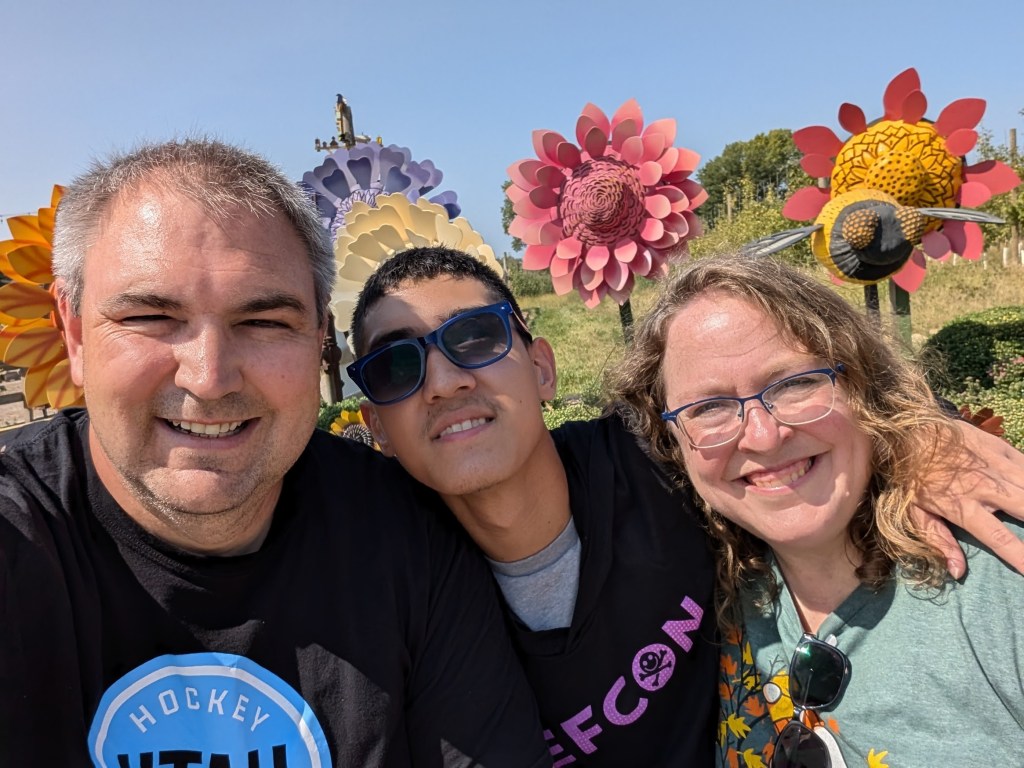

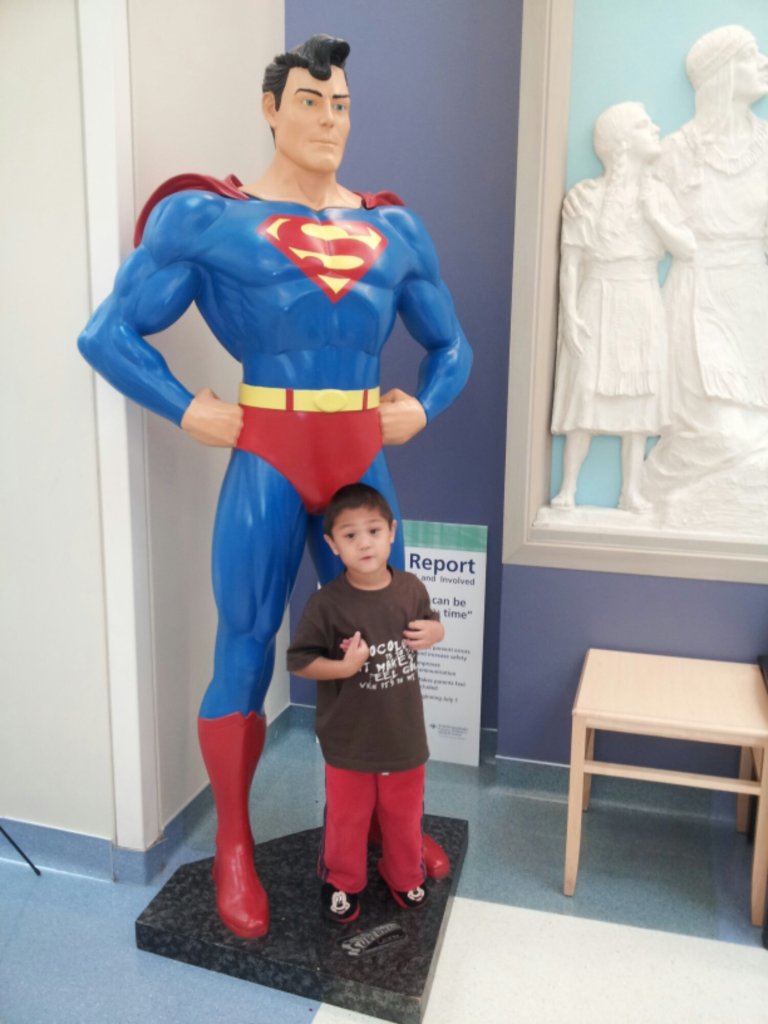


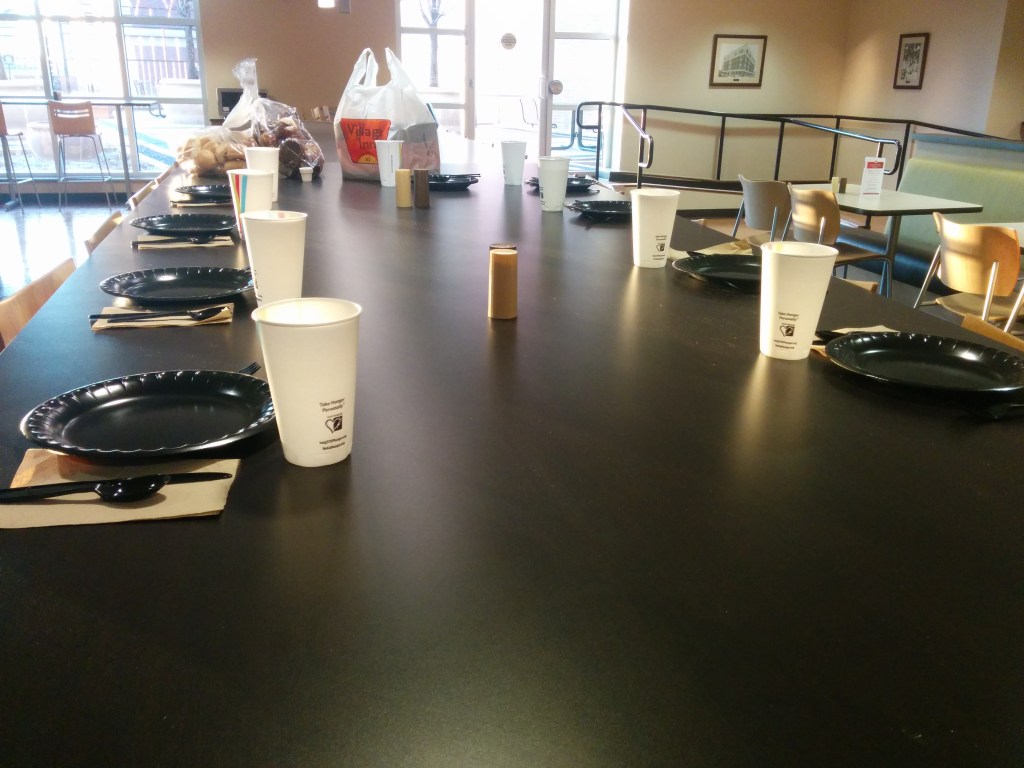
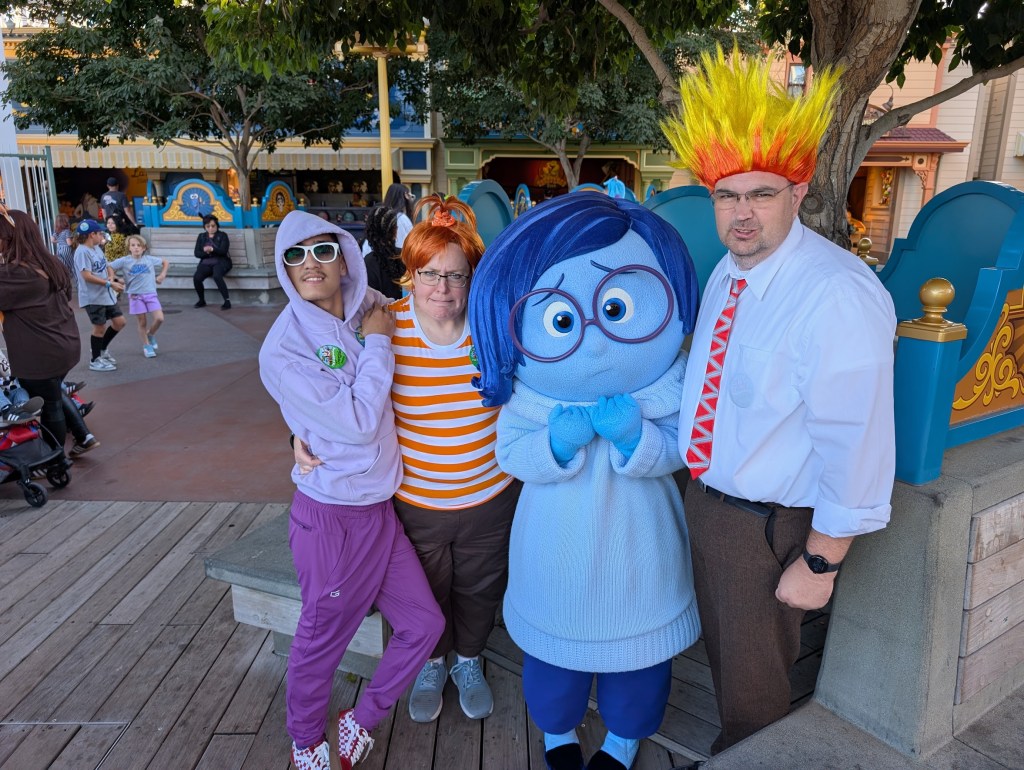




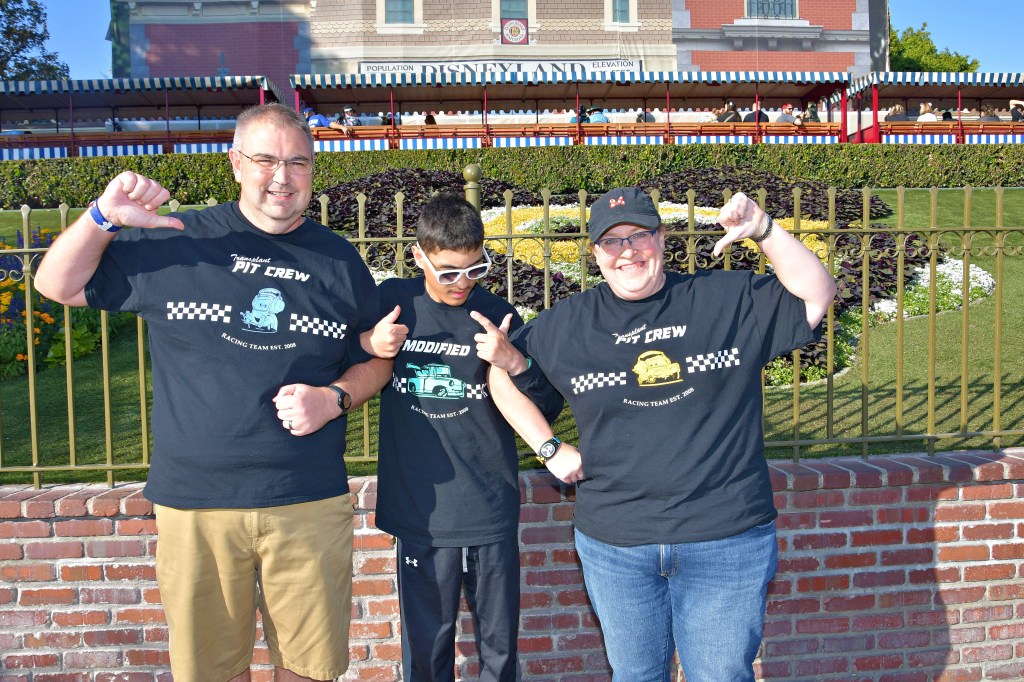

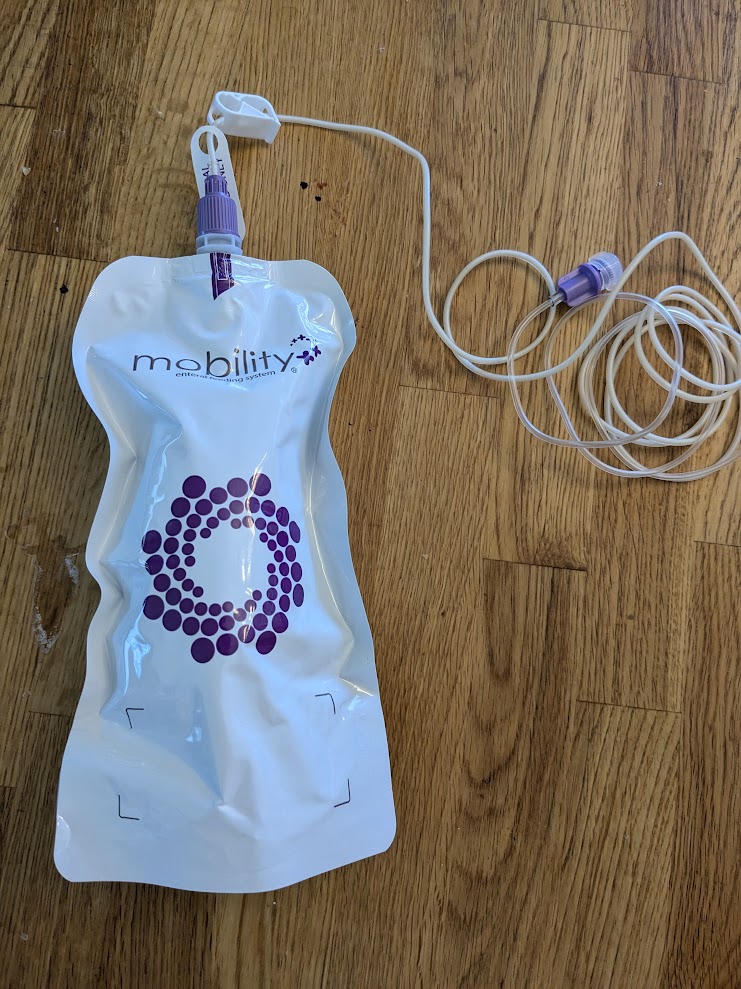


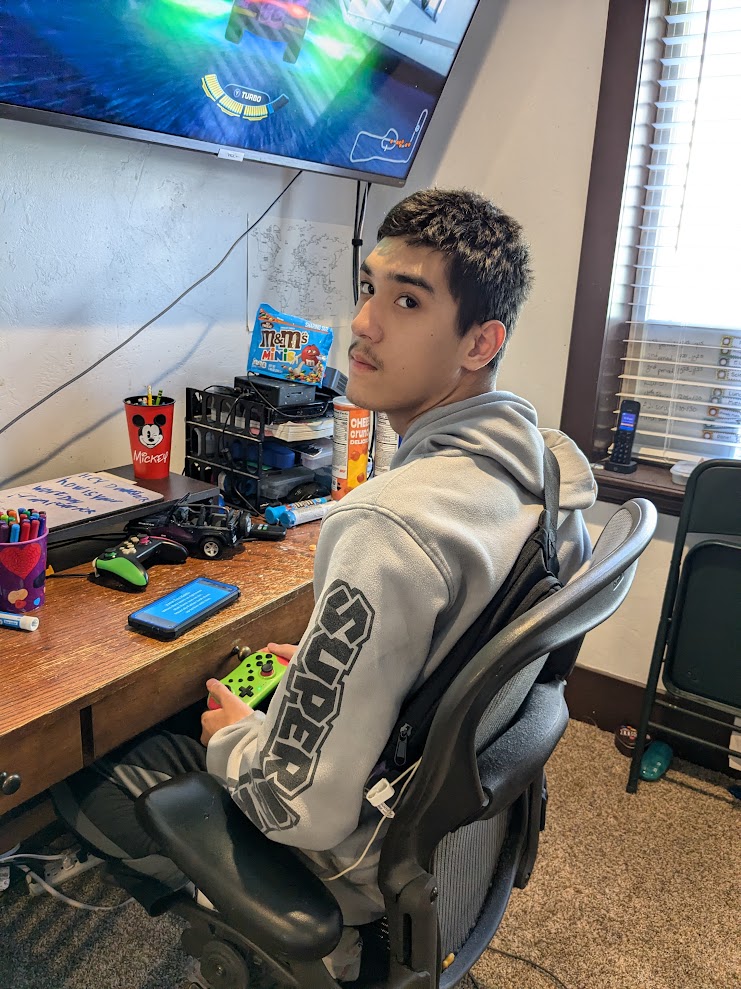



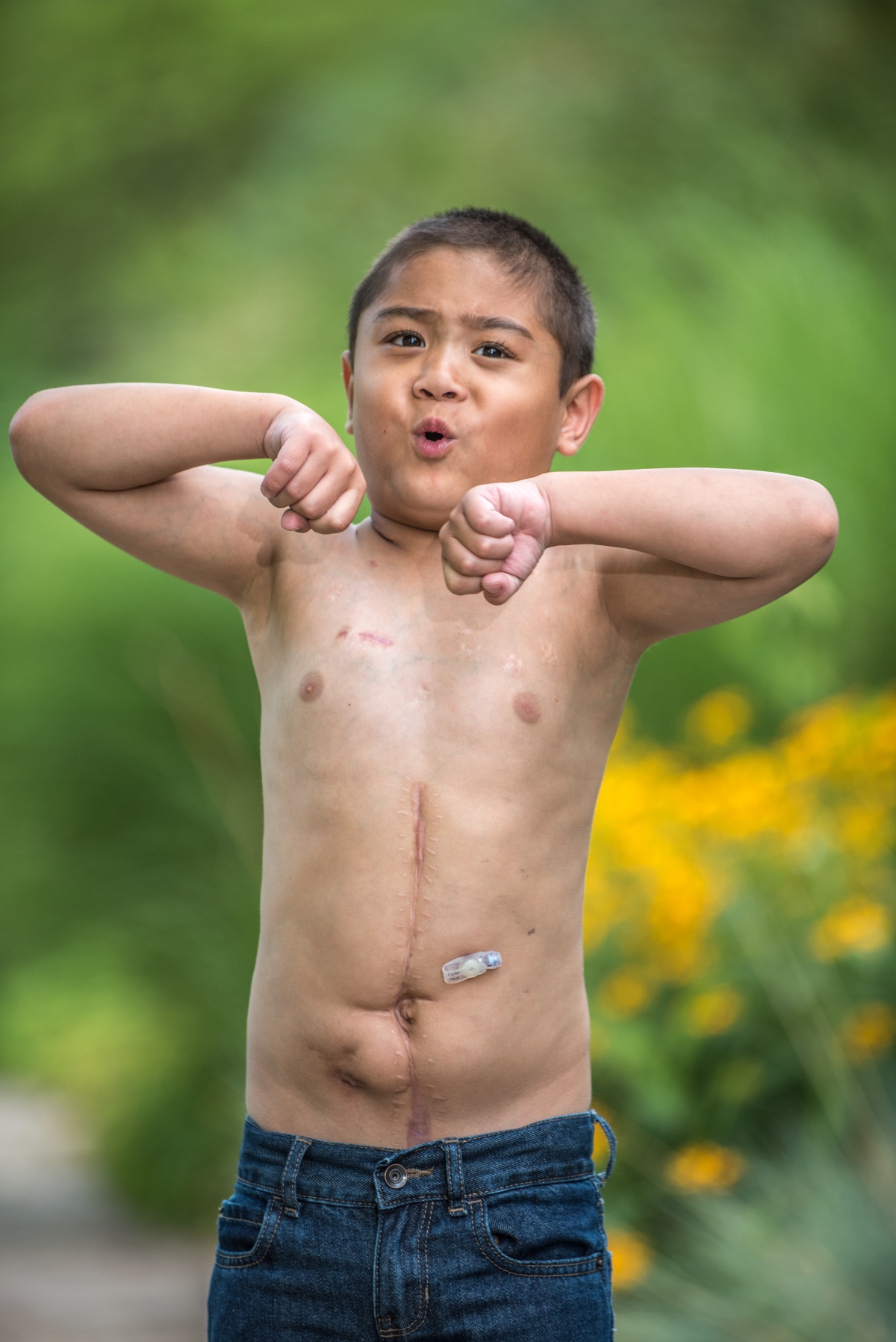

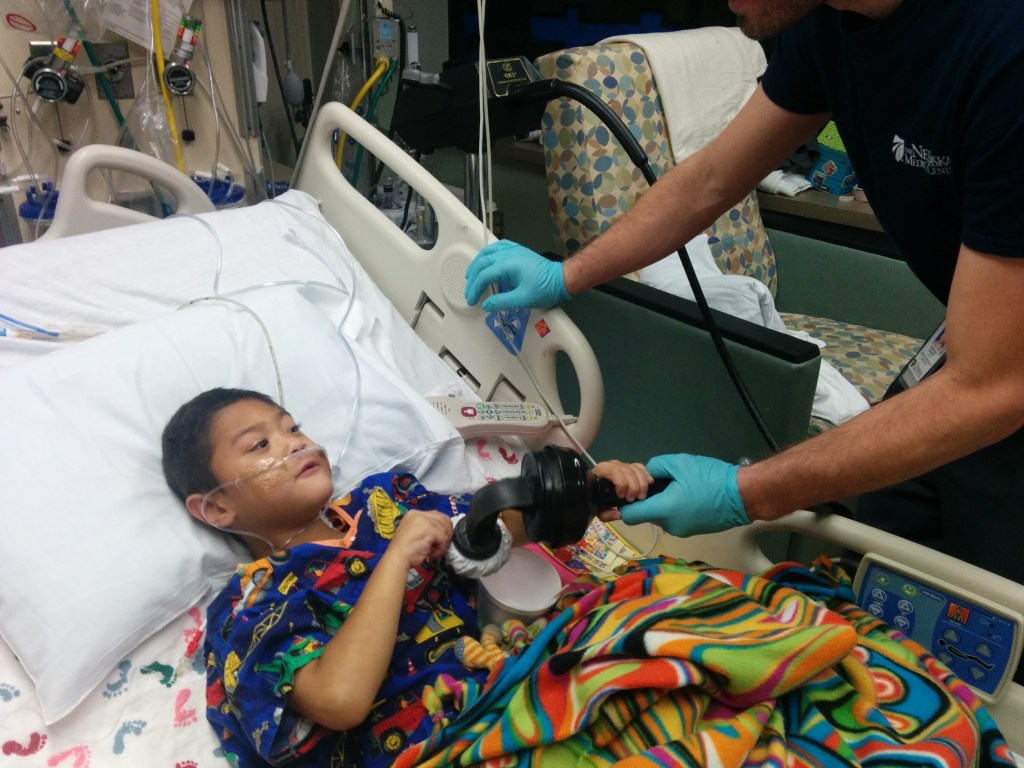
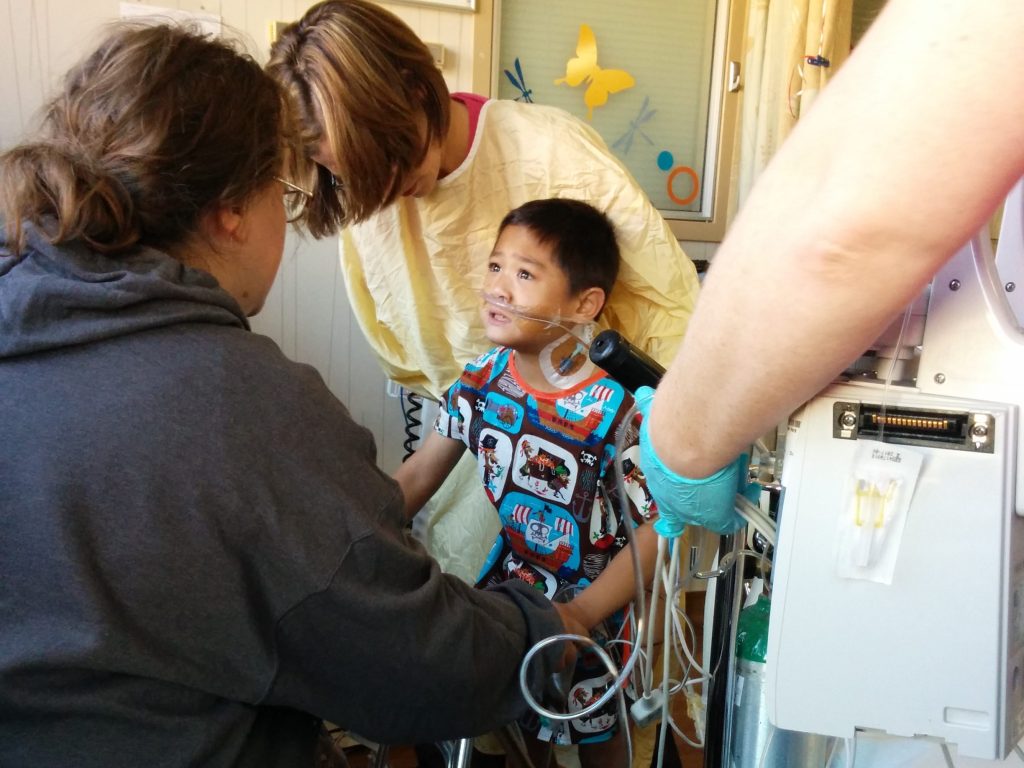


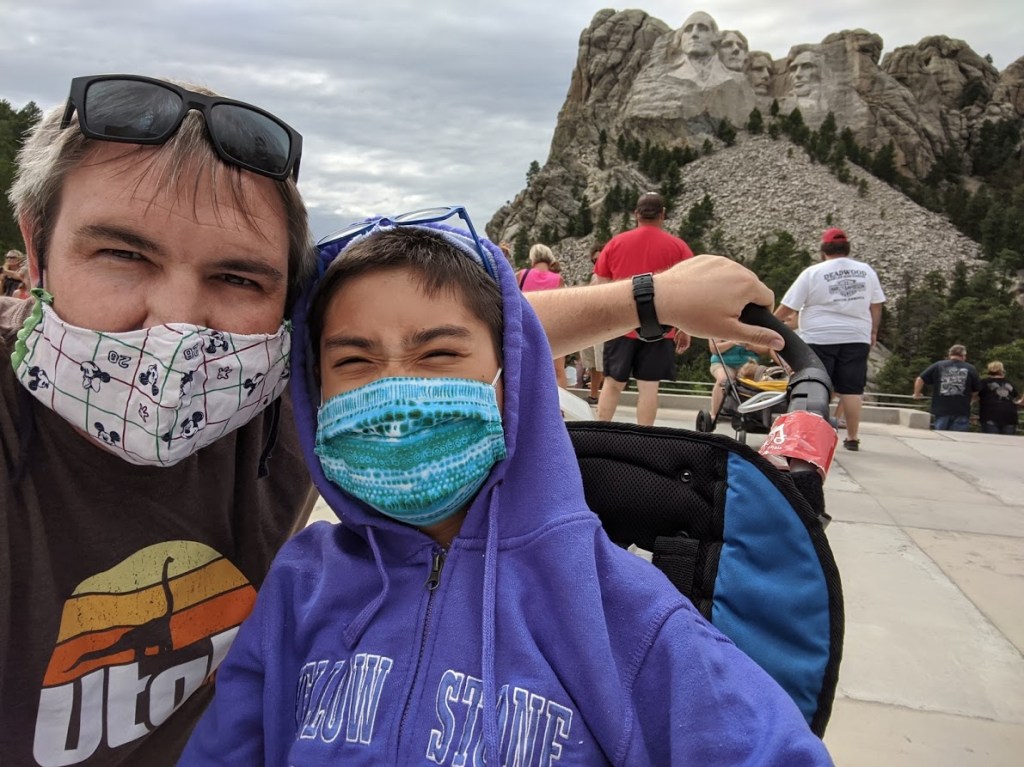


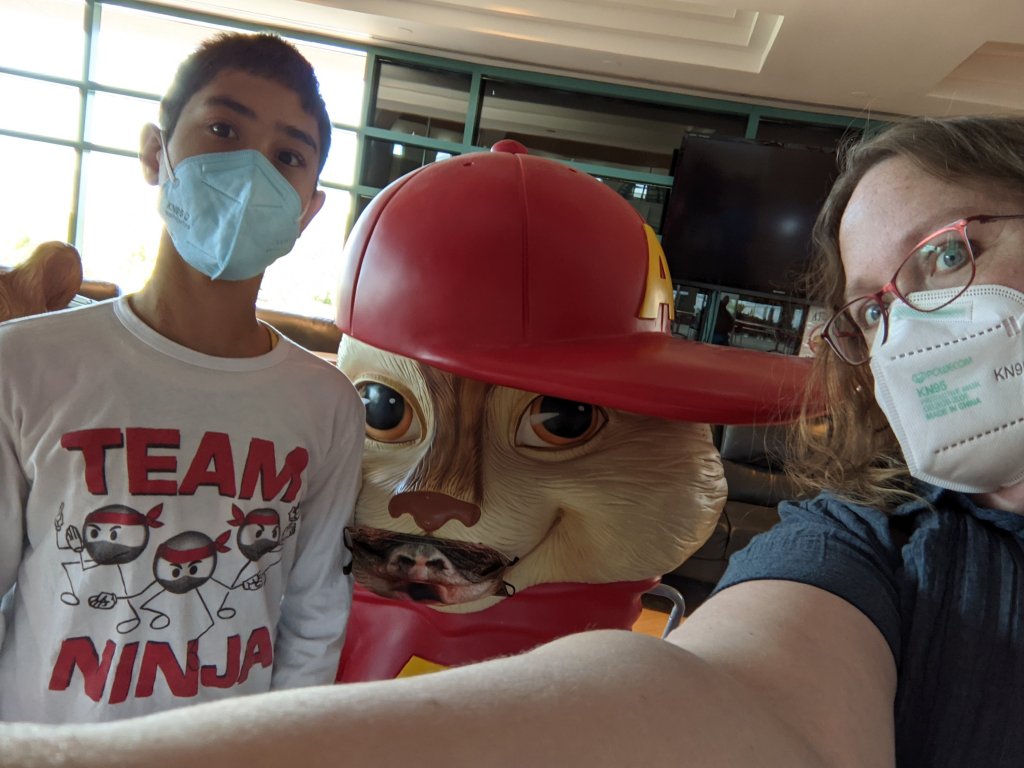
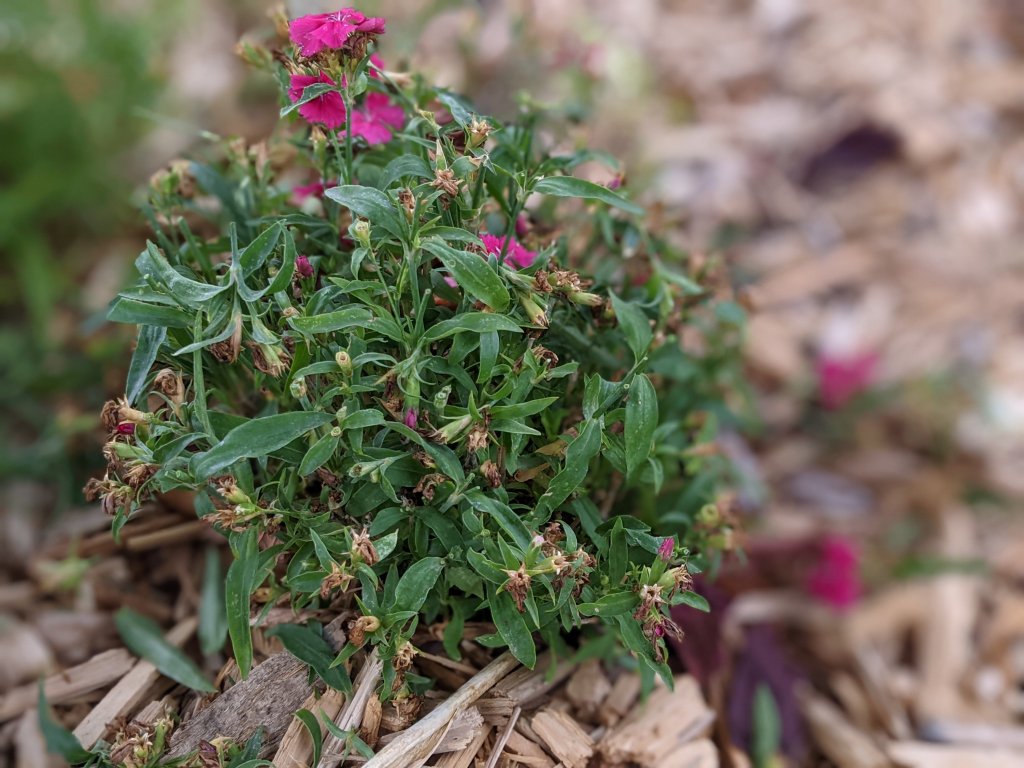
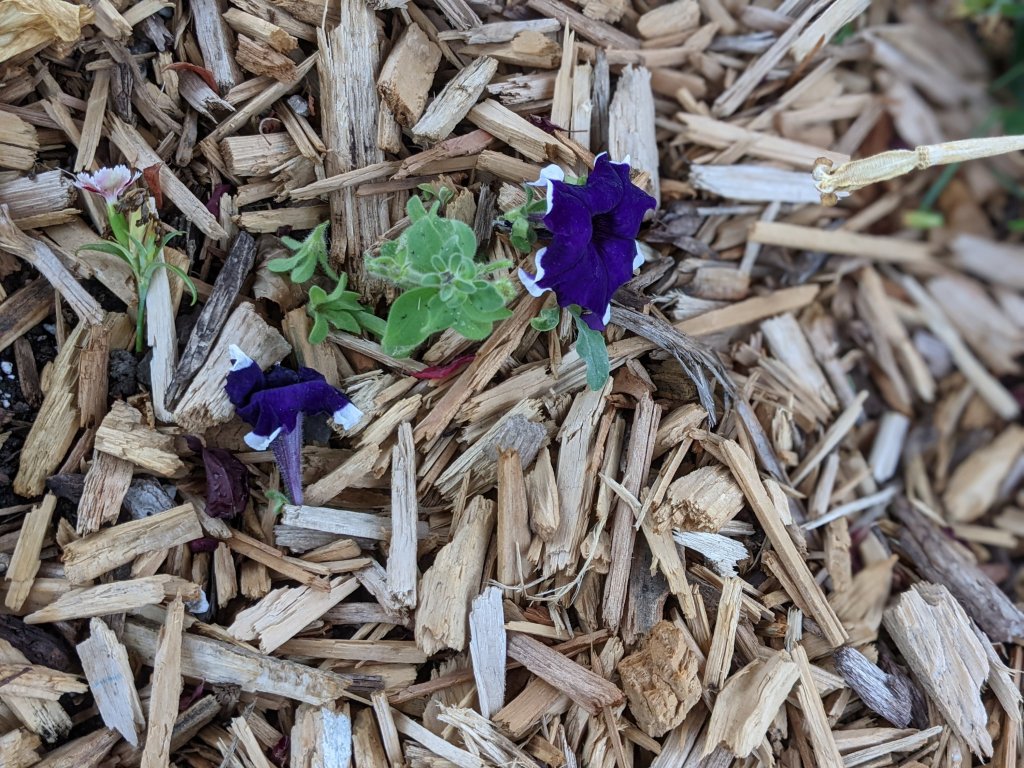
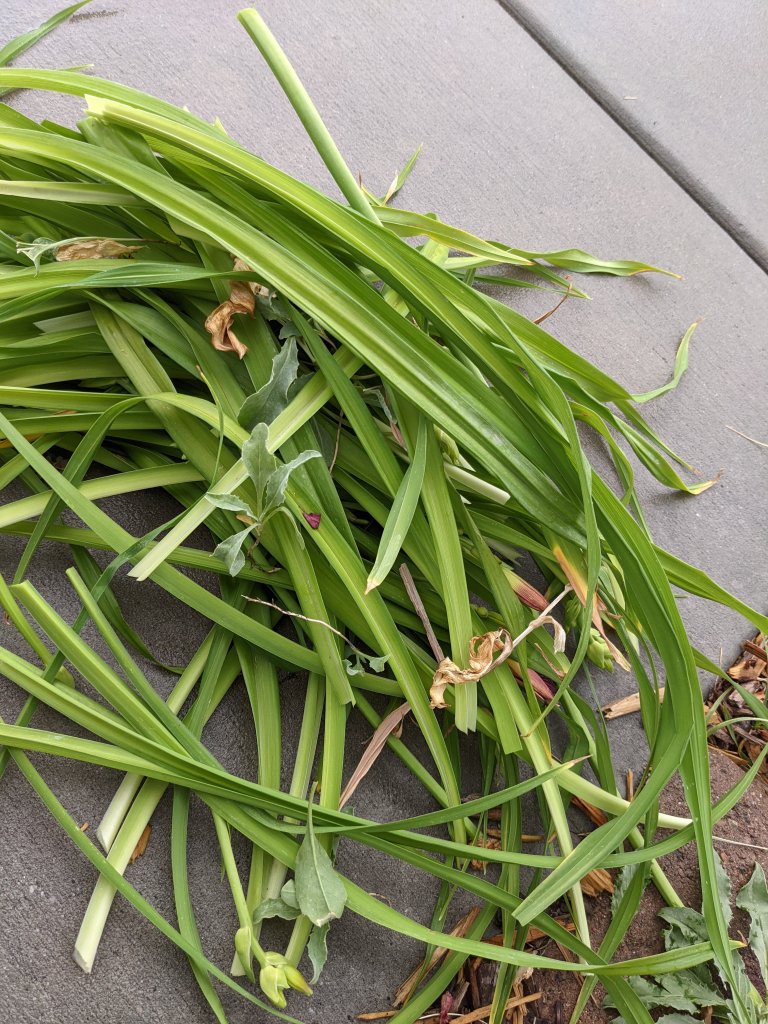


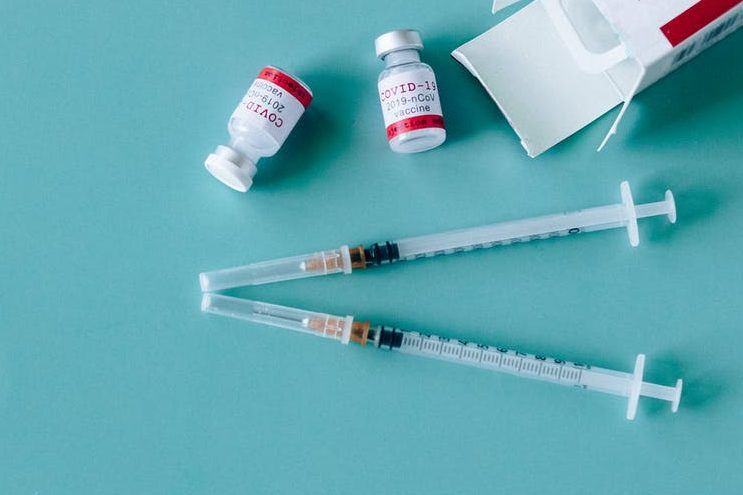

 Patrick Hoopes